
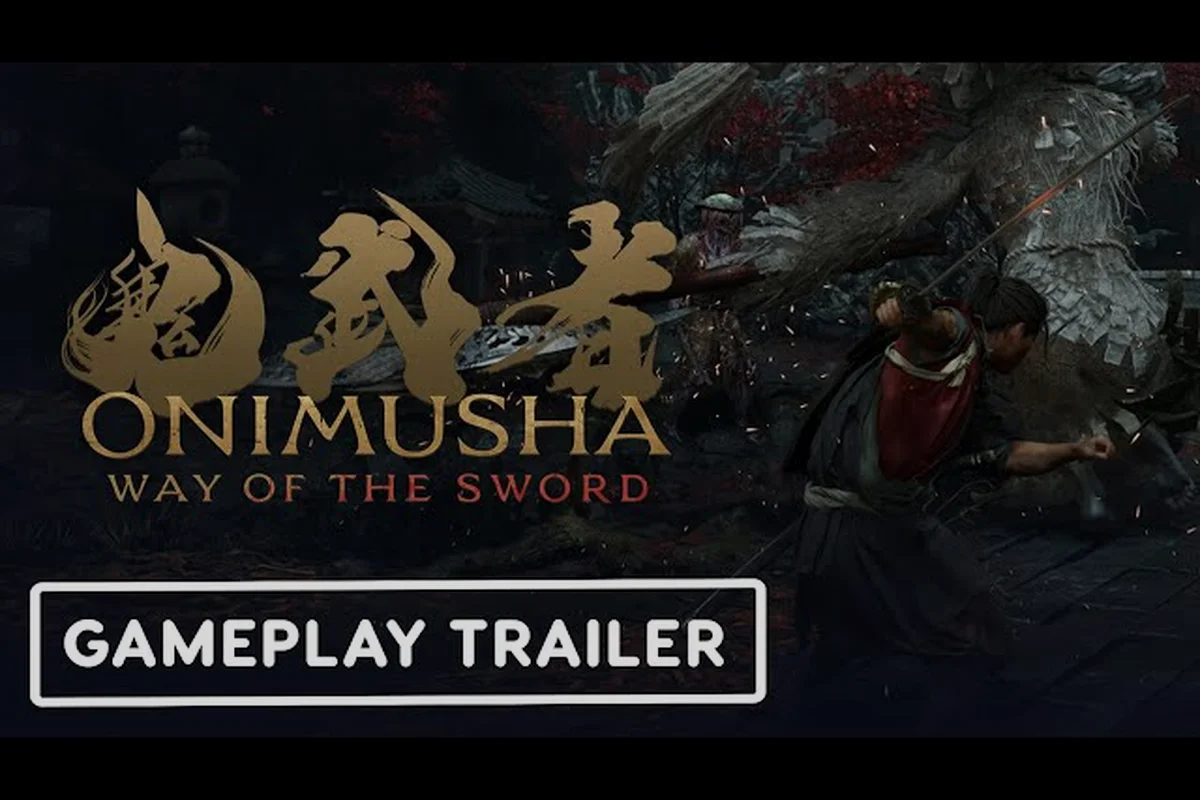
Ono no Takamura stands as one of the most intriguing figures in Onimusha: Way of the Sword, a master swordsman whose presence shapes the fate of Kyoto long before Musashi ever draws his blade. Understanding who Ono no Takamura is matters because his legacy directly influences the game's central conflict, the Oni Gauntlet's power, and the tragic rivalry that drives the narrative forward. While the official Capcom site lists him among the core cast alongside Izumo no Okuni and Sasaki Ganryu, his true significance runs deeper than a simple supporting role.
The character represents a bridge between the human world and the Genma threat, a warrior whose choices echo through every chapter of the campaign. His connection to the Oni Gauntlet and his complicated history with the other swordsmen create the emotional foundation for the entire story. This guide breaks down everything known about Ono no Takamura, from his canonical role to his combat philosophy, while also exploring how his relationships with Izumo no Okuni and Sasaki Ganryu shape the player's journey through Edo-period Kyoto.
Ono no Takamura's Role in the Story and His Legacy
Ono no Takamura enters the narrative as a legendary swordsman whose reputation precedes him, but the game reveals that his true importance lies in what he left behind rather than what he does in the present timeline. According to the official Onimusha: Way of the Sword website, Takamura is described as a master swordsman whose techniques and philosophies directly influenced the generation of warriors that followed, including Musashi himself. His presence looms over the story even when he is not physically on screen, because the Oni Gauntlet that Musashi wears carries traces of Takamura's previous connection to the Oni power.
The game establishes Takamura as someone who understood the true cost of wielding Oni strength, a warrior who recognized that the Gauntlet's power always demands something in return. This understanding becomes critical when Musashi begins his own journey, because the player must grapple with the same temptation that Takamura faced years earlier. Community discussions on the r/Onimusha subreddit frequently point out that Takamura's story serves as a cautionary tale, a warning about what happens when a swordsman lets the Oni's influence consume their humanity.
His legacy manifests in several distinct ways throughout the campaign: as a narrative anchor, a gameplay mechanic, and a thematic foil. Story-wise, his severed head—kept alive by dark magic—serves as the catalyst for the Oni Gauntlet's power, directly tying the player's core combat loop to his tragic fate. Mechanically, his spectral form appears in specific stages to offer cryptic guidance, often foreshadowing the appearance of the Genma and the precise timing needed to land a successful Issen counter. This layered integration ensures Takamura is not merely a lore entry but a functional pillar of the game's structure, driving both the plot and the player's strategic approach to each encounter.
-
The Oni Gauntlet's memory — the Gauntlet retains echoes of Takamura's combat style, which players can unlock as they progress
-
Training grounds and dojo remnants — several explorable areas contain Takamura's old training equipment and written teachings
-
The Oni Lady's knowledge — she references Takamura's choices when guiding Musashi, using his mistakes as teaching moments
-
Genma fear — enemy commanders show unusual caution when they recognize the techniques Musashi uses, techniques that originated with Takamura
Takamura's role becomes even more complex when examining his relationship with the other central characters. He trained alongside Sasaki Ganryu in their youth, and their friendly rivalry eventually soured into something darker, a falling-out that the game explores through flashback sequences and environmental storytelling. The weight of this history makes every encounter with Ganryu feel personal, because the player understands that Musashi is inheriting a conflict that began long before he arrived in Kyoto.
The Connection Between Ono no Takamura and Izumo no Okuni
The relationship between Ono no Takamura and Izumo no Okuni represents one of the most emotionally resonant threads in Onimusha: Way of the Sword, a bond that the game develops through subtle interactions and shared history. Izumo no Okuni, the kabuki dancer who appears throughout the campaign, carries knowledge about Takamura that she reveals gradually to Musashi, pieces of a story that explain why she chose to involve herself in the Genma conflict at all. Her connection to Takamura is not romantic in the traditional sense, but rather a deep mutual respect between two artists who understood that their crafts required the same kind of sacrifice.
For players searching for an onimusha way of the sword okuni guide, understanding her relationship with Takamura provides essential context for her actions. Okuni's combat style blends dance with swordplay, a technique that Takamura reportedly encouraged her to develop because he recognized that rigid forms would never suit her temperament. This mentorship shaped Okuni into the warrior she becomes, and her fighting style in-game reflects that influence through flowing, unpredictable movements that contrast sharply with the more disciplined approaches of Musashi and Ganryu.
The game reveals several key details about their connection: Takamura's backstory establishes him as a legendary onmyoji whose spirit-sealing techniques directly counter the Genma, while Okuni's role as a Kabuki dancer ties her to Izumo's shrine traditions, creating a supernatural link that drives the narrative. Specifically, their bond is explored through Okuni's ability to sense Takamura's lingering spiritual energy, which players can leverage in combat to trigger synergistic attacks against Sasaki Ganryu and his rival Kojiro, making their partnership a strategic cornerstone of the game's progression system.
| Relationship Aspect | What the Game Shows | Why It Matters |
|---|---|---|
| Mentorship | Takamura taught Okuni to blend performance with combat | Explains her unique fighting style and her confidence in battle |
| Shared knowledge | Okuni knows about the Oni Gauntlet's history | She becomes a valuable source of information for Musashi |
| Emotional anchor | Okuni mourns Takamura's fate in private moments | Humanizes both characters and deepens the story's emotional stakes |
| Narrative function | Okuni guides Musashi toward Takamura's old training grounds | Creates natural exploration opportunities and lore discovery |
Okuni's abilities in combat reflect this unique background, which is why the onimusha way of the sword okuni abilities discussion among players focuses on her hybrid approach. She can chain dance-inspired dodges into devastating counterattacks, and her Awakening abilities emphasize mobility and evasion rather than raw power. This design choice reinforces the idea that Takamura's influence shaped her into something entirely different from the other swordsmen, a fighter who treats battle as a performance rather than a grim duty.
The tragedy of their relationship becomes clear when players discover what happened to Takamura. His decision to confront the Genma alone, without the support of his former allies, led to his downfall, and Okuni carries the guilt of not being there when he needed her most. This backstory makes her protective instincts toward Musashi feel earned, because she sees in him the same potential for self-destruction that consumed Takamura.
Ganryu's Place in the Tale and Musashi's Destiny
The conflict between Ono no Takamura and Sasaki Ganryu forms the backbone of Onimusha: Way of the Sword's narrative, a rivalry that the game presents as both a historical event and a personal tragedy. Sasaki Ganryu, also known as Sasaki Kojiro in historical accounts, appears in the game as a formidable swordsman whose skill matches his ambition, and the official character listing confirms that he serves as one of the primary antagonists in Musashi's journey. The onimusha way of the sword sasaki ganryu connection to Takamura is established early, when Musashi discovers that the two men were once training partners who shared the same master.
What makes this rivalry so compelling is the way the game refuses to paint Ganryu as a simple villain. His resentment toward Takamura stems from a genuine philosophical disagreement about the purpose of the sword, with Takamura believing that martial skill should serve the greater good while Ganryu argues that strength exists to be used, to dominate, to reshape the world according to the wielder's will. This ideological conflict mirrors the larger themes of the game, where the Oni Gauntlet offers power that can protect or corrupt depending on the bearer's intentions.
The game explores their history through several narrative devices: in-game scrolls recovered from fallen Genma soldiers, environmental storytelling via the ruined Sasaki estate, and flashback sequences triggered at specific shrines. Most notably, the rival duel is framed through Takamura’s fragmented memories, forcing players to piece together how Ganryu’s legendary ichi-ryu style was corrupted by the Genma’s dark power before the final confrontation.
-
Flashback sequences — players witness key moments in their training and the argument that ended their friendship
-
Environmental storytelling — ruined dojos and abandoned training grounds contain evidence of their final confrontation
-
Ganryu's dialogue — he references Takamura constantly, revealing that his former friend's memory still haunts him
-
The Oni Lady's commentary — she provides historical context that Musashi would not otherwise know
For players researching onimusha way of the sword sasaki kojiro lore, the game offers a fascinating reinterpretation of the historical figure. Rather than the one-dimensional rival of legend, this Ganryu is a complex antagonist whose hatred for Takamura has festered for years, poisoning his judgment and driving him toward increasingly desperate actions. His obsession with surpassing Takamura leads him to seek out the Genma's power, a decision that ultimately corrupts him and sets up the climactic confrontation with Musashi.
The rivalry also serves a gameplay function, because Ganryu's boss fights rank among the most challenging encounters in the game. His fighting style mirrors Takamura's techniques but twisted into something more aggressive and unpredictable, reflecting how his philosophy corrupted his martial art. Players who have studied Takamura's teachings through the Gauntlet's memory will recognize the patterns, but Ganryu has added his own brutal variations that keep even experienced players on edge.
How Takamura's Combat Philosophy Shapes Gameplay
Ono no Takamura's influence extends beyond the narrative into the actual gameplay mechanics of Onimusha: Way of the Sword, because his combat philosophy directly informs several systems that players must master. The game presents Takamura as the originator of techniques that Musashi can learn, and understanding his approach to swordsmanship provides practical benefits for players struggling with the game's demanding combat. His philosophy emphasizes economy of motion, reading the opponent's intent, and striking at the precise moment when their guard drops, principles that align perfectly with the game's signature Issen mechanic.
The Oni Gauntlet that Musashi wears contains echoes of Takamura's fighting style, and players can unlock these techniques by progressing through the game and spending Red Souls on specific Awakening branches. These Takamura techniques offer distinct advantages in combat:
| Technique Name | How It Works | Best Use Case |
|---|---|---|
| Takamura's Stance | A defensive posture that reduces stamina damage from blocked attacks | Surviving prolonged exchanges against aggressive enemies |
| Echo Strike | A counterattack that activates after a perfect dodge | Punishing enemies who commit to long attack animations |
| Legacy Slash | A charged attack that breaks enemy guards | Opening up shielded enemies for critical hits |
| Oni Memory | A passive ability that increases Issen window duration | Making the game's most important mechanic more forgiving |
The onimusha way of the sword who is ono no takamura question becomes more interesting when players realize that his techniques are not simply superior versions of Musashi's base moves. Instead, they offer alternative approaches that reward different playstyles, encouraging experimentation rather than a single optimal strategy. Some players prefer Takamura's defensive techniques because they provide more margin for error, while others find that his counter-focused abilities require too much precision to be practical in chaotic fights.
Community testing has revealed that Takamura's techniques synergize particularly well with certain Awakening paths, and players who invest in both his combat tree and the Oni Gauntlet's power upgrades report noticeably smoother boss encounters. The beginner guide for Onimusha: Way of the Sword recommends that new players prioritize Takamura's defensive techniques early, because they provide the survivability needed to learn boss patterns without dying repeatedly.
The deeper connection between Takamura's philosophy and the game's mechanics becomes apparent when examining the Issen system more carefully. Takamura reportedly believed that a single perfect strike was worth more than a hundred sloppy ones, a philosophy that the game codifies through the massive damage bonus awarded for successful Issen triggers. Players who internalize this philosophy and focus on timing rather than button-mashing will find that Takamura's techniques amplify their effectiveness considerably.
Exploring Takamura's Training Grounds and Hidden Lore
The Historical Disconnect Between Takamura and Okuni
The game deliberately separates Takamura from Izumo no Okuni despite their historical contemporaries—Takamura lived during the 9th century Heian period, while Okuni founded kabuki in the early 1600s Edo period. This anachronistic pairing in the character roster suggests Capcom uses them as thematic opposites: Takamura represents the classical sword tradition, while Okuni embodies theatrical performance. Their interactions likely explore how performance and combat both require precise timing, potentially unlocking unique dialogue or side content that contrasts Issen execution with kabuki's rhythmic staging.
Training Grounds as Tutorial Spaces for Issen Mastery
Takamura's training grounds function as the game's dedicated tutorial spaces, teaching the signature Issen execution mechanic through progressively complex Genma encounters. The RE Engine's real swordsman choreography allows these areas to demonstrate frame-perfect counter windows that differ from standard combat encounters. Community discussions on r/Onimusha emphasize Issen timing as the series' core skill, suggesting Takamura's grounds present escalating timing challenges—from single enemy tells to multi-enemy attack chains—that prepare players for Ganryu's duel and the 20-hour campaign's later boss encounters.
The game rewards thorough exploration with substantial Takamura lore, and his old training grounds rank among the most content-rich optional areas in Onimusha: Way of the Sword. These locations are scattered throughout Kyoto, hidden behind breakable walls, locked doors, and environmental puzzles that require careful observation to solve. Players who invest time in finding these areas will discover a wealth of information about Takamura's life, his relationships, and the events that led to his downfall.
The training grounds themselves are designed as mini-dungeons with their own challenges and rewards, functioning as scaled-down versions of the main campaign’s combat gauntlets. Each arena is built around a specific mechanic tied to Ono no Takamura’s lore—such as the "Sword Saint’s Trial," which forces you to defeat waves of Genma using only parry counters to unlock a fragment of the Oni Gauntlet. Success here isn’t just about loot; clearing these gauntlets grants permanent stat boosts to Takamura’s ki recovery, making them essential for surviving the later Izumo no Okuni boss fights where her rapid multi-hit combos demand precise timing.
-
The Abandoned Dojo — located in the northern district, this area contains Takamura's original training equipment and a journal that details his early philosophy
-
The Cliffside Shrine — a meditation spot where Takamura reportedly spent days contemplating the nature of the Oni power
-
The Underground Arena — a hidden fighting pit where Takamura and Ganryu settled their disagreements with sparring matches
-
The Final Stand — the location of Takamura's last battle, which contains a powerful weapon and a heartbreaking cutscene
Each of these locations contributes to the onimusha way of the sword character lore in meaningful ways, and players who piece together all the clues will gain a deeper understanding of the game's central conflict. The journal entries found in these areas are particularly valuable, because they reveal Takamura's internal struggle with the Oni Gauntlet's influence and his growing fear that he was losing himself to the power he wielded.
The relationship between Takamura's training grounds and the overall character progression system is worth noting, because these areas often contain unique upgrade materials that cannot be found anywhere else. The supporting characters guide explains how these materials factor into the broader progression economy, but the key takeaway is that exploration directly translates into combat effectiveness. Players who rush through the main story will miss out on significant power increases that make the late-game boss gauntlet considerably more manageable.
Hidden lore also clarifies several confusing aspects of the main story, particularly regarding the Oni Gauntlet's origins and why the Oni Lady chose Musashi as her new bearer. Takamura's journals reveal that he was the previous bearer, and his failure to control the Gauntlet's power led to a catastrophic event that the game's opening cutscene only hints at. This revelation reframes the entire narrative, because Musashi is not simply a hero chosen for his skill but rather a second chance, an attempt to correct the mistakes that Takamura made.
The exploration content also connects to the game's achievement system, with several trophies tied to finding all of Takamura's hidden messages and completing his training challenges. These challenges function as advanced combat tutorials that teach players techniques they will need for the hardest boss fights, making them valuable for both lore enthusiasts and completionists.
Comparing Takamura's Legacy with Other Supporting Characters
Ono no Takamura's Role as Master Swordsman and Mentor Figure
Takamura's position in the narrative mirrors the historical Heian-period poet and calligrapher, yet the game reimagines him as a master swordsman who likely serves as Musashi's technical foundation. Given the 20-hour campaign structure with linear-with-open-areas design, Takamura's mentorship probably gates specific combat tutorials tied to the Issen timing mechanic. His connection to the Oni Gauntlet's lore suggests he may possess knowledge about the Genma that predates Musashi's arrival in Edo-period Kyoto, positioning him as the exposition vehicle for the gauntlet's mysterious origins and its potential to consume its wielder.
Takamura's Combat Philosophy vs. Ganryu's Dueling Style
Takamura's historical mastery of calligraphy and poetry translates into a combat philosophy emphasizing precision over aggression, directly opposing Sasaki Ganryu's renowned dueling reputation. Where Ganryu, voiced by Nobuhiko Okamoto in Japanese, likely favors overwhelming offensive pressure, Takamura's teachings probably emphasize reading enemy tells for perfect Issen counters. This philosophical clash manifests in gameplay through distinct enemy encounter design—Ganryu's boss fight may punish reckless attacking, while Takamura's training segments reward patient observation of Genma attack patterns before committing to strikes.
Understanding Ono no Takamura requires examining how his legacy compares with the other supporting characters in Onimusha: Way of the Sword, particularly Izumo no Okuni and the Oni Lady. Each of these characters represents a different relationship to the Oni power and a different approach to the question of how swordsmen should use their abilities. Takamura's tragedy lies in his isolation, his decision to face the Genma threat alone rather than trusting his allies, and this choice stands in stark contrast to how the other characters handle their burdens.
The comparison becomes clearer when examining each character's defining traits: Takamura's legacy is rooted in his role as a master swordsmith and mentor, whose crafted blades—like the legendary Onimaru—carry historical weight and directly shape the protagonist's combat arsenal. In contrast, Izumo no Okuni, the dancer from the Izumo region, represents cultural performance rather than martial prowess, her abilities focusing on crowd control and theatrical flair that distracts enemies. Sasaki Ganryu and Sasaki Kojiro, meanwhile, embody rival swordsmen whose dueling techniques—Kojiro's famed Tsubame Gaeshi in particular—offer a pure combat-focused counterpoint to Takamura's behind-the-scenes craftsmanship, highlighting how each supporting character serves a distinct narrative and gameplay function.
| Character | Relationship to Oni Power | Defining Philosophy | Narrative Arc |
|---|---|---|---|
| Ono no Takamura | Previous Gauntlet bearer who was consumed by its power | Discipline and sacrifice, but ultimately isolation | Tragic fall that sets up the story |
| Izumo no Okuni | Rejects the Gauntlet but uses her own refined abilities | Art and performance as forms of strength | Redemption through protecting others |
| The Oni Lady | The Gauntlet's consciousness, bound to serve its bearer | Guidance and caution, shaped by past failures | Mentor figure who seeks to prevent another tragedy |
| Sasaki Ganryu | Actively seeks Genma power to surpass Takamura | Strength and dominance as ultimate goals | Corruption through obsession |
The onimusha way of the sword izumo no okuni storyline provides the clearest contrast with Takamura's approach, because Okuni manages to achieve what Takamura could not: she wields significant power without losing herself to it. Her secret lies in her refusal to treat combat as a purely martial pursuit, instead approaching every fight as a performance that requires emotional authenticity alongside technical skill. This philosophical difference explains why Okuni survives while Takamura falls, and the game presents her as a living example of the path that Musashi should follow.
The Oni Lady's relationship with Takamura adds another layer of tragedy to his story, because she genuinely tried to guide him toward a healthier relationship with the Gauntlet's power. Her warnings went unheeded, and his failure weighs on her throughout the game, making her interactions with Musashi more urgent and more protective. Players who want to understand the full scope of the Oni Lady's character should consult the Musashi moveset guide, which includes detailed analysis of her dialogue and its implications for the story.
The comparison between Takamura and Ganryu is perhaps the most instructive, because they started from the same point but diverged dramatically. Both men were prodigies who trained under the same master, both possessed extraordinary skill, and both were offered the Oni Gauntlet's power. Takamura accepted it with the intention of protecting others, while Ganryu sought power for its own sake, and the game suggests that this difference in motivation determined their fates. The Ganryu boss guide explores this dynamic in detail, particularly how Ganryu's corrupted philosophy manifests in his combat patterns.
What makes Takamura's story ultimately hopeful rather than purely tragic is the way his legacy lives on through Musashi. The player character inherits Takamura's techniques, his knowledge, and his burden, but also his second chance. The game's narrative structure suggests that Musashi can succeed where Takamura failed, not because he is stronger or more skilled, but because he has something Takamura lacked: people who care about him and are willing to fight alongside him.
Frequently Asked Questions
Who is Ono no Takamura in Onimusha: Way of the Sword?
Ono no Takamura is a legendary master swordsman and the previous bearer of the Oni Gauntlet. His techniques and philosophies shape the game's combat systems, and his tragic history with Sasaki Ganryu drives the main narrative conflict. Players learn about him through flashbacks, journals, and the Oni Lady's guidance.
How does Izumo no Okuni connect to Ono no Takamura?
Izumo no Okuni was Takamura's student and close ally, and he encouraged her to develop her unique dance-based combat style. She carries guilt over his downfall and works to protect Musashi from making the same mistakes. Her fighting abilities reflect Takamura's influence while remaining distinctly her own.
What abilities does Izumo no Okuni have in combat?
Okuni uses a hybrid fighting style that blends kabuki dance movements with sword techniques, allowing her to chain evasive maneuvers into powerful counterattacks. Her Awakening abilities emphasize mobility and precision rather than raw damage output. She excels at controlling space and punishing enemies who commit to aggressive attacks.
Is Sasaki Ganryu the same as Sasaki Kojiro in the game?
Yes, the game presents Sasaki Ganryu as the same historical figure known as Sasaki Kojiro. He serves as a primary antagonist whose rivalry with Ono no Takamura shapes the story. His combat style mirrors Takamura's techniques but corrupted by his obsession with power and dominance.
Why is Ono no Takamura important for gameplay?
Takamura's techniques are unlockable through the Oni Gauntlet's Awakening system, offering defensive and counter-focused abilities that complement different playstyles. His training grounds contain valuable upgrade materials and lore items. Understanding his combat philosophy helps players master the game's Issen timing mechanics.