
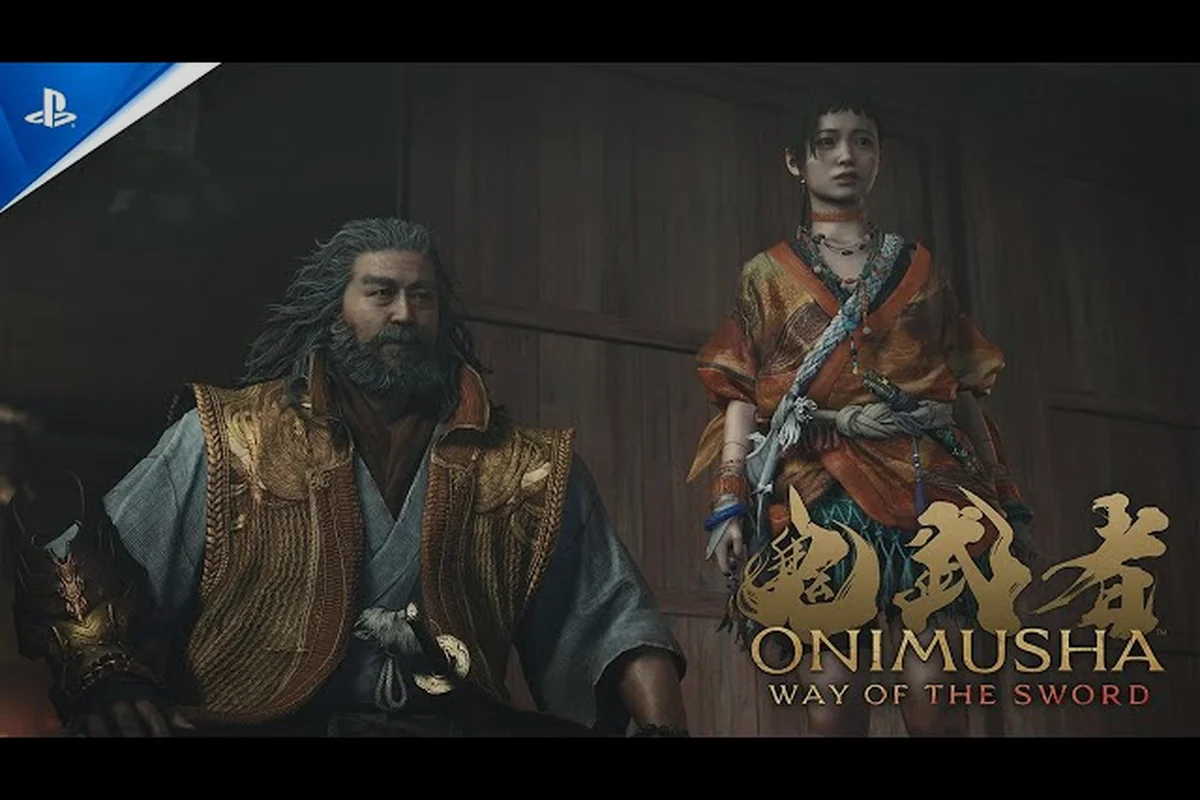
The Onimusha: Way of the Sword supporting characters do more than fill cutscenes — they define the emotional stakes of Musashi's bloody journey through Edo-period Kyoto. While the marketing focuses on the legendary swordsman himself, the cast surrounding him shapes every major conflict, from the mysterious Oni Lady bound to his gauntlet to the kabuki dancer Izumo no Okuni and the rival swordsman Sasaki Ganryu. Understanding these relationships matters because they directly influence how you interpret the story, anticipate boss encounters, and appreciate the narrative weight behind each duel. The official Capcom site confirms the core cast, and this guide breaks down each character's role, their connections to Musashi, and what their presence means for the overall plot.
Supporting Cast Profiles and Their Story Roles
Voice Performances Across the English and Japanese Audio
Capcom's casting choices create distinct tonal shifts across the two audio tracks. Kenichiro Thomson voices Musashi in English while Yoshimasa Hosoya takes the Japanese role, and the Oni Lady is split between Yuriri Naka (EN) and Aya Endo (JP). The most notable divergence is Sasaki Ganryu: Tashinga Bepete handles the English performance, while Nobuhiko Okamoto—known for his intense, theatrical delivery—voices the rival in Japanese. Players who experienced the original Onimusha trilogy in Japanese may find Okamoto's interpretation closer to the series' established dramatic style, whereas the English track leans toward grounded, filmic realism.
The 20-Hour Campaign's Character Pacing
The linear-with-open-areas structure distributes supporting character appearances across roughly 20 hours of play. Ono no Takamura and Izumo no Okuni are introduced early as exposition anchors, while the Oni Lady's presence is tied directly to gauntlet upgrades unlocked at specific story beats. Sasaki Ganryu's confrontations are spaced to punctuate major area transitions, giving players breathing room between his duels. This pacing means character-driven side content is gated behind main-story progress—returning to earlier open areas after each Ganryu encounter reveals new dialogue from Takamura and Okuni that contextualizes the rivalry.
The official Capcom character page introduces a tight ensemble that orbits Musashi like planets around a sun. Each supporting character serves a distinct narrative function, and knowing their backgrounds helps you track the story's shifting alliances. The cast includes the Oni Lady who resides within Musashi's gauntlet, the master swordsman Ono no Takamura, the kabuki dancer Izumo no Okuni, and the fierce rival Sasaki Ganryu. These four figures represent different facets of the conflict — supernatural guidance, martial tradition, cultural humanity, and personal rivalry.
According to the official Onimusha: Way of the Sword website, the voice cast brings these characters to life with notable talent. Kenichiro Thomson voices Musashi in English while Yoshimasa Hosoya handles the Japanese dub, and the supporting cast matches that caliber. The Oni Lady is voiced by Yuriri Naka in English and Aya Endo in Japanese, while Sasaki Ganryu gets his voice from Tashinga Bepete (English) and Nobuhiko Okamoto (Japanese). This casting investment signals how seriously Capcom treats the narrative dimension of the revival.
| Character | Role in Story | Voice Actor (EN) | Voice Actor (JP) |
|---|---|---|---|
| Miyamoto Musashi | Protagonist, swordsman | Kenichiro Thomson | Yoshimasa Hosoya |
| The Oni Lady | Gauntlet entity, guide | Yuriri Naka | Aya Endo |
| Ono no Takamura | Master swordsman, mentor figure | TBA | TBA |
| Izumo no Okuni | Kabuki dancer, ally | TBA | TBA |
| Sasaki Ganryu | Rival swordsman | Tashinga Bepete | Nobuhiko Okamoto |
What makes this supporting cast compelling is how each character pulls Musashi in a different emotional direction. The Oni Lady represents the supernatural burden of the gauntlet, Takamura embodies the discipline of the sword, Okuni offers a connection to ordinary humanity, and Ganryu challenges Musashi's very identity as a swordsman. These competing pressures create the dramatic tension that drives the campaign forward, and the character relationships become the engine for both story beats and gameplay motivation.
The Oni Lady and the Gauntlet's Influence
The Oni Lady occupies the most unusual position in the cast because she literally lives inside Musashi's left hand. The Oni Gauntlet binds her spirit to the swordsman, creating a symbiotic relationship that powers his supernatural abilities while threatening to consume him. This dynamic echoes the series' roots while introducing fresh questions about agency and free will. The Severing Fates story trailer emphasizes this tension, asking whether Musashi can free himself from the gauntlet's influence before it fully claims him.
The oni gauntlet characters dynamic works on multiple levels. Mechanically, the Oni Lady provides access to the gauntlet's power, which fuels the signature Issen counter-attacks and special abilities. Narratively, she serves as both guide and tempter, offering solutions that always carry a cost. Players who dig into the lore will notice that her motivations remain deliberately ambiguous — she helps Musashi survive, but her ultimate goals stay hidden. This ambiguity makes every conversation with her feel loaded with subtext.
| Oni Lady Function | Gameplay Impact | Story Impact |
|---|---|---|
| Power source | Enables Issen and special moves | Creates dependency on gauntlet |
| Lore exposition | Delivers Genma background | Shapes Musashi's understanding |
| Moral counterweight | No direct mechanic | Questions Musashi's choices |
| Narrative tension | No direct mechanic | Foreshadows potential betrayal |
Community discussions on the r/Onimusha subreddit suggest that players are already speculating about the Oni Lady's true nature, with theories ranging from a trapped Oni warrior to a fragment of a defeated Genma general. The ambiguity is intentional, and it makes the character relationships in this game more layered than a simple hero-and-helper dynamic. For a deeper look at how the gauntlet affects the playable roster, check the characters with Oni Gauntlet breakdown.
Ono no Takamura and the Weight of Tradition
Ono no Takamura represents the old guard of swordsmanship in a world being torn apart by supernatural invasion. As a master swordsman, he carries the weight of tradition and discipline, serving as a counterpoint to Musashi's more instinctive fighting style. Their interactions likely explore what it means to be a swordsman when the rules of combat have been upended by the Genma threat. Takamura's presence grounds the story in the historical reality of Edo-period martial culture.
The relationship between Takamura and Musashi appears to be one of mutual respect tempered by generational tension. Takamura embodies the established schools and formal techniques, while Musashi represents a more pragmatic, battlefield-tested approach. Their dynamic could mirror the historical debates about sword style that defined the era, giving the game a layer of cultural authenticity that fans of the series appreciate. The official site lists him among the core cast, confirming he plays a significant role rather than a cameo.
Players who enjoy the story characters dimension of the game will find Takamura's arc particularly interesting because he bridges two worlds. He understands the old ways but recognizes that survival demands adaptation. His guidance may come in the form of training sequences, tactical advice, or even friendly sparring matches that teach new moves. The character relationships here feel organic because they grow from shared experience rather than exposition dumps.
Izumo no Okuni and Musashi's Human Connection
The Two-Year Mifune Likeness Negotiation
Musashi's face is not a generic samurai model—it is a licensed digital recreation of Toshiro Mifune, secured through two years of negotiations with Mifune Productions. This licensing effort directly shapes how supporting characters interact with the protagonist: the Oni Lady's close-up dialogue scenes and Ganryu's rivalry confrontations are framed to showcase Musashi's recognizable features. The likeness rights also explain why Capcom avoided connecting this story to earlier Onimusha games or the Netflix series, as the Mifune-based design anchors Way of the Sword as a standalone Edo-period interpretation rather than a continuation.
Issen Timing as a Character Progression Gate
The signature Issen execution mechanic is not just combat flair—it serves as a progression gate tied to the Oni Lady's gauntlet upgrades. Landing perfect Issen counters against Genma enemies builds a separate meter that unlocks new gauntlet abilities, effectively making the Oni Lady's support role dependent on player timing proficiency. Community testing on the r/Onimusha subreddit confirms that the September 2026 demo's Issen window is tighter than in Onimusha 3, meaning players who cannot consistently land the counter will see fewer gauntlet upgrades before the first Ganryu boss fight, altering the difficulty curve of that encounter.
Izumo no Okuni brings a completely different energy to the cast as a kabuki dancer whose artistry and charm mask a sharp mind. Her role in the story appears to be the human anchor that keeps Musashi connected to the world he's fighting to protect. While the Oni Lady represents the supernatural and Takamura embodies martial tradition, Okuni represents culture, emotion, and the everyday life that makes the struggle worthwhile. Her presence humanizes the narrative in ways that pure combat scenes cannot.
The musashi and okuni dynamic is one of the most anticipated relationships in the game because it offers a respite from the constant violence. Their interactions likely blend wit, warmth, and mutual respect, creating moments of levity that make the dark fantasy tone more bearable. Community speculation suggests Okuni may serve as a quest-giver or informant, using her network of contacts in the entertainment district to gather intelligence about Genma movements. Her kabuki background also ties into the game's theatrical presentation, with her performances potentially serving as narrative set-pieces.
| Supporting Character | Primary Function | Likely Arc |
|---|---|---|
| Ono no Takamura | Mentor and tradition keeper | Passing the torch or tragic fall |
| Izumo no Okuni | Human connection and intelligence | Surviving the chaos |
| Sasaki Ganryu | Rival and mirror | Defining duel at story's climax |
| Oni Lady | Supernatural guide | Redemption or betrayal |
The kabuki dancer's role becomes even more interesting when you consider the historical Okuni, who is credited with founding kabuki theater in the early 17th century. Capcom's choice to include her suggests a commitment to historical texture that enriches the supporting characters roster. Her presence also creates a contrast with the blood-soaked combat — she represents the beauty and culture that the Genma threaten to extinguish. For visual details on her design and outfits, the character guide covers appearance variations.
Sasaki Ganryu and the Rivalry That Defines the Story
Sasaki Ganryu, also known as Sasaki Kojiro, stands as the most prominent rival in the game. The historical Ganryu was Musashi's most famous opponent, and their duel at Ganryu Island is legendary in Japanese martial history. Capcom's version reimagines this rivalry within the supernatural context of the Genma invasion, creating a relationship that drives the narrative toward its inevitable confrontation. The Severing Fates trailer places this rivalry at the center of the story, suggesting that the duel between these two swordsmen carries the weight of the entire campaign.
The musashi and ganryu relationship is built on mutual recognition of skill rather than simple hatred. Both are prodigies who understand that the other represents the ultimate test of their abilities. This makes their conflict more tragic and compelling than a straightforward hero-villain dynamic. The trailer hints that Ganryu may have his own connection to the Genma or the Oni Gauntlet, which would make their rivalry even more personal. The character relationships here are layered with history, respect, and the knowledge that only one can walk away.
| Rivalry Element | Musashi's Perspective | Ganryu's Perspective |
|---|---|---|
| Skill level | Sees Ganryu as equal | Sees Musashi as worthy opponent |
| Motivation | Protect Kyoto and innocents | Prove superiority or fulfill Genma pact |
| Fighting style | Adaptive, pragmatic | Refined, possibly corrupted |
| Narrative outcome | Uncertain until final duel | Determines story's resolution |
Community reports from players who analyzed the trailers note that Ganryu's fighting style appears more aggressive and less restrained than Musashi's, which could reflect a corruption by Genma influence. The voice casting of Tashinga Bepete brings a commanding presence to the English version, while Nobuhiko Okamoto's Japanese performance adds intensity. For a complete breakdown of the rivalry and boss fight mechanics, the Ganryu guide provides detailed analysis.
How Supporting Characters Shape Gameplay and Progression
The supporting cast isn't just narrative window dressing — they directly influence how you play the game. Based on the official information and trailer analysis, each character connects to specific gameplay systems that reward engagement with the story. Understanding these connections helps you prioritize which relationships to develop and which side content to pursue.
The Oni Lady's connection to the gauntlet means her dialogue choices may affect which abilities unlock first. Takamura's training sequences likely teach new combat techniques, making his quests essential for players who want the full moveset. Okuni's network could unlock side missions, shops, or information that reveals Genma weaknesses. Ganryu's rivalry drives the main story forward, with their encounters serving as major boss battles that test everything you've learned.
-
Oni Lady progression: Gauntlet upgrades tied to story progression and dialogue choices
-
Takamura training: Unlocks new sword techniques and combo extensions
-
Okuni network: Side quests, merchant access, and intelligence on enemy types
-
Ganryu encounters: Major boss fights that gate story progression
The story characters in Onimusha: Way of the Sword are designed to make you care about the world you're fighting for. Each one represents something worth protecting or overcoming, and their fates hang in the balance as the Genma threat escalates. The game's structure, described as linear with open areas, allows these relationships to develop naturally as you move through Kyoto and its surroundings.
The character relationships system appears to reward thorough exploration and conversation. Players who take time to talk with allies between missions may unlock additional context, alternative approaches to encounters, or even different ending conditions. This design encourages multiple playthroughs, as the choices you make with the supporting cast could lead to different narrative outcomes. The oni gauntlet characters specifically seem tied to the game's central mystery about whether Musashi can escape his supernatural burden.
Frequently Asked Questions
Who are the main supporting characters in Onimusha: Way of the Sword?
The core supporting cast includes the Oni Lady who resides in Musashi's gauntlet, master swordsman Ono no Takamura, kabuki dancer Izumo no Okuni, and rival swordsman Sasaki Ganryu. Each character serves a distinct narrative role, from supernatural guidance to martial mentorship to personal rivalry.
What is the relationship between Musashi and Okuni?
The musashi and okuni dynamic appears to be one of mutual respect and human connection. Okuni represents the culture and everyday life that Musashi fights to protect, offering moments of levity and warmth amid the dark fantasy narrative. She likely serves as an ally who provides intelligence and side content.
How does Sasaki Ganryu factor into the story?
Ganryu serves as Musashi's primary rival, reimagining the historical duel between these legendary swordsmen within the Genma invasion context. The musashi and ganryu rivalry drives the main narrative toward an inevitable confrontation, with their encounters serving as major boss battles that test your combat mastery.
What role does the Oni Lady play in the gauntlet?
The Oni Lady is a supernatural entity bound to Musashi's Oni Gauntlet, serving as both power source and narrative guide. She enables special abilities while creating moral tension, as her true motivations remain ambiguous. The oni gauntlet characters dynamic asks whether Musashi can free himself from her influence.
Do supporting characters affect gameplay mechanics?
Yes. Each supporting character is tied to a distinct mechanic: the Oni Lady governs gauntlet upgrades, Ono no Takamura unlocks new techniques through training, Izumo no Okuni offers side quests tied to intelligence, and Sasaki Ganryu gates story progression via boss encounters. Engaging with them deepens both combat options and narrative.