
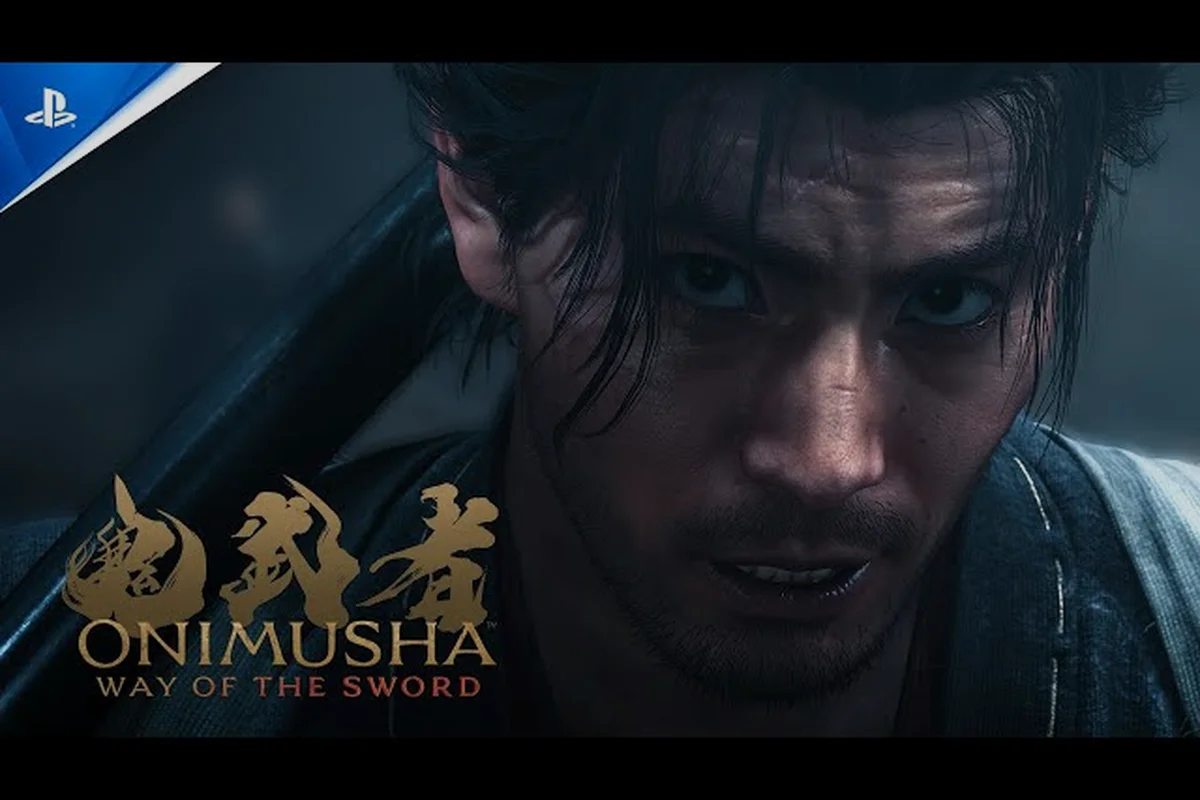
The Onimusha: Way of the Sword character guide you need starts with a simple fact: Capcom rebuilt its iconic hero around a legendary face. Miyamoto Musashi's appearance is modeled directly after Toshiro Mifune, with likeness rights licensed from Mifune Productions after two years of negotiations, according to the official Capcom site. That casting choice anchors the entire visual identity of the game, but it also raises practical questions: What outfits can you actually unlock? How does character customization work beyond the default look? And which costumes are tied to premium editions versus in-game progression? This guide answers all of that, breaking down every appearance option, the customization systems that matter, and how each character's visual design connects to their combat role. Whether you are chasing the Red Armor outfit or wondering if the Oni Lady outfit is worth the upgrade, you will leave with a clear picture of what to expect.
Character Roster and Visual Identity Overview
The cast of Onimusha: Way of the Sword is compact but carefully designed, with each character's appearance reinforcing their narrative function. The protagonist Miyamoto Musashi carries the weight of the story, and his look reflects both the historical figure and the dark fantasy tone of Edo-period Kyoto. The official character list confirms five central figures: Musashi, the Oni Lady who resides in his gauntlet, master swordsman Ono no Takamura, kabuki dancer Izumo no Okuni, and rival Sasaki Ganryu (also known as Sasaki Kojiro). Each one brings a distinct silhouette, color palette, and animation style that players will recognize instantly in combat and cutscenes alike.
| Character | Role | Visual Signature | Voice Actor (EN) |
|---|---|---|---|
| Miyamoto Musashi | Protagonist | Toshiro Mifune likeness, weathered ronin look | Kenichiro Thomson |
| Oni Lady | Gauntlet spirit | Ethereal, glowing accents, flowing robes | Yuriri Naka |
| Ono no Takamura | Mentor figure | Elderly master, traditional dojo attire | TBA |
| Izumo no Okuni | Ally / Kabuki dancer | Elaborate kabuki costume, dramatic makeup | TBA |
| Sasaki Ganryu | Rival / Antagonist | Imposing stature, contrasting dark armor | Tashinga Bepete |
The visual design philosophy here matters because it directly affects how you read enemy intentions and character states during combat. Musashi's outfit, for instance, uses layered fabrics that move independently during the Issen counter animation, making the timing window feel more readable. The Oni Lady's translucent appearance signals her non-corporeal nature while her glowing gauntlet accents draw your eye to the Oni Gauntlet itself, which is the source of your soul absorption abilities. For a deeper look at how these characters interconnect narratively, the supporting characters breakdown covers the relationships that drive the plot forward.
Miyamoto Musashi Appearance and Outfit Options
Musashi's appearance is the most discussed topic in the Onimusha: Way of the Sword character guide community, and for good reason. His face is a direct homage to Toshiro Mifune, the legendary actor known for his roles in Akira Kurosawa's samurai films. This is not a subtle nod — Capcom secured the likeness rights specifically to evoke Mifune's intense screen presence. The default outfit presents Musashi as a wandering ronin with a weathered kimono, worn armor plates, and a distinctive topknot that becomes disheveled during combat. His visual state changes dynamically: as you absorb souls and trigger Awakenings, faint red energy traces appear along his arms and the gauntlet, signaling your power level without needing a HUD readout.
Default Appearance and In-Game Variations
The base design is deliberately grounded, but the game offers several ways to alter Musashi's look through progression. Some variations are tied to story moments — after major boss fights, his outfit accumulates visible damage that persists until you rest at a checkpoint. This persistent damage system adds a layer of immersion that veteran players appreciate, though it is purely cosmetic. The Red Armor outfit is the most prominent alternative, available through the Deluxe Edition. It replaces the default muted tones with a striking crimson palette that matches the Oni Gauntlet's energy signature. Community reports suggest the Red Armor also features subtle particle effects during Issen counters, making it a favorite for players who want their skill expression to be visually loud.
| Outfit | Source | Visual Changes | Combat Readability |
|---|---|---|---|
| Default Ronin | Starting outfit | Worn kimono, armor plates, dynamic damage | High — clear silhouette |
| Red Armor | Deluxe Edition | Crimson palette, particle effects on Issen | Medium — red blends with soul effects |
| Premium Haori Variants | Premium Deluxe Edition | Hellfire, Moonlight, Cloudbiter patterns | High — distinct color coding |
| Story-Based Variations | Progression | Damage accumulation, accessory changes | High — reflects narrative state |
How Musashi's Look Affects Gameplay Perception
This might sound superficial, but outfit choice genuinely impacts how you play. The Hellfire Haori uses bright orange and red tones that can visually compete with enemy attack telegraphs in chaotic fights, while the Moonlight Haori offers a cooler blue palette that many players report improves their parry timing perception. This is anecdotal, but the community data from the r/Onimusha subreddit shows a consistent preference for high-contrast outfits during boss encounters. If you are aiming for S-tier boss performance, consider testing each outfit in the training area before committing to a run. The Crimson Lotus Oni Gauntlet skin, also from the Deluxe Kit, changes the gauntlet's visual effects to a deeper red, which some players find easier to track during soul absorption sequences.
Character Customization Systems Explained
Character customization in Onimusha: Way of the Sword operates on two distinct layers: cosmetic loadouts and functional loadouts. The cosmetic layer covers outfits, gauntlet skins, and accessory visuals. The functional layer — which is what the Onimusha: Way of the Sword character guide community spends most time optimizing — involves Omamori charms and their visual representations. Each charm you equip appears on Musashi's person, usually tied to his belt or gauntlet strap. This means your mechanical choices are always visible, creating a direct feedback loop between build decisions and character appearance.
Omamori Charms and Visual Loadouts
The charm system is where customization depth really lives. You can equip up to three charms, and each one has a distinct visual model. The Lion Dog Charm appears as a small carved figure, while the White Monkey Charm has a more elongated, dynamic shape. These are not just cosmetic — they provide passive bonuses that shape your playstyle. The Bamboo & Panda charm from the Deluxe Kit, for example, reportedly offers a stamina regen bonus that pairs well with aggressive Issen counter strategies. Because charms are visible on your character, you can quickly identify what build another player is running in co-op or versus modes, which adds a layer of strategic reading to multiplayer encounters.
| Charm | Visual Model | Reported Effect | Best For |
|---|---|---|---|
| Lion Dog Charm | Carved lion figure | Attack boost on parry | Aggressive parry players |
| White Monkey Charm | Elongated monkey figure | Evade window extension | Dodge-focused builds |
| Bamboo & Panda | Bamboo shoot with panda | Stamina regen bonus | Sustained pressure |
| Oni Lady Charm | Miniature gauntlet | Soul absorption boost | Soul economy builds |
Accessory Slots and Visual Distinction
Beyond charms, accessory slots allow for further character customization through visible items like headbands, belts, and cloak attachments. These are mostly earned through side quests and exploration rather than paid DLC. The Whittled Oar accessory, for instance, is a reference to Musashi's legendary duel with Ganryu and provides a small damage bonus against rival-type enemies. Its visual model is a miniature oar strapped to Musashi's back, which is a nice nod for players who know the historical context. The key takeaway is that customization is not just about looking different — every visible change communicates something about your build and your understanding of the game's systems.
Outfit Unlock Guide for Okuni and the Oni Lady
The supporting cast receives just as much cosmetic attention as Musashi, and the Okuni outfit and Oni Lady outfit options are among the most sought-after items in the game. Izumo no Okuni, the kabuki dancer, has a base design that is already elaborate — layered kimonos, dramatic makeup, and flowing sleeves that animate beautifully during her combat sequences. The Premium Deluxe Edition adds three additional outfits for her, each with a distinct color scheme and pattern set. The Hellfire variant shifts her palette to deep reds and golds, while the Moonlight variant uses cool silvers and blues. The Cloudbiter variant is the most ornate, featuring cloud patterns that reference traditional Japanese art.
| Character | Base Outfit | Premium Variants | Edition Requirement |
|---|---|---|---|
| Izumo no Okuni | Kabuki dancer, multi-layer kimono | Hellfire, Moonlight, Cloudbiter | Premium Deluxe Edition |
| Oni Lady | Ethereal, translucent robes | Hellfire, Moonlight, Cloudbiter | Premium Deluxe Edition |
| Ono no Takamura | Traditional dojo master | Not confirmed | N/A |
| Sasaki Ganryu | Dark armor, imposing silhouette | Not confirmed | N/A |
The Oni Lady outfit situation is slightly different because her character model is translucent by nature. The Premium Deluxe variants adjust her color palette and the intensity of her glow effects rather than changing her silhouette entirely. The Hellfire Oni Lady has a more aggressive red glow that makes her presence more pronounced during combat, which some players find distracting while others appreciate the clarity. If you are trying to decide whether the Premium Deluxe Edition is worth the price jump, the edition comparison guide breaks down the exact cost-to-content ratio for every outfit and charm included.
Comparing Character Builds and Visual Synergy
Once you understand the customization options, the next step is optimizing how your character's appearance and build work together. The Onimusha: Way of the Sword character guide community has identified several strong synergies between visual loadouts and mechanical builds. The Red Armor outfit pairs exceptionally well with the Crimson Lotus Oni Gauntlet skin, creating a unified red theme that makes Issen counter particle effects pop. Players who run this combination report that the visual consistency helps them track their Awakening state more easily during extended boss fights.
Build Archetypes and Recommended Loadouts
| Build Archetype | Recommended Outfit | Charm Setup | Playstyle Focus |
|---|---|---|---|
| Parry Specialist | Moonlight Haori | Lion Dog, Oni Lady | Issen counter, break posture |
| Aggressive Pressure | Red Armor | Bamboo & Panda, White Monkey | Stamina management, sustained combos |
| Soul Economy | Default Ronin | Oni Lady, Lion Dog | Soul absorption, Awakening spam |
| Evasion Master | Cloudbiter Haori | White Monkey, Bamboo & Panda | Dodge positioning, counter-attacks |
The Parry Specialist build is the most popular among veteran players because it maximizes the game's signature mechanic. The Moonlight Haori provides visual clarity during parry windows, and the Lion Dog Charm amplifies your counter-attack damage. This build requires precise timing but rewards you with some of the highest damage output in the game. The Aggressive Pressure build, by contrast, focuses on never giving the enemy breathing room. The Bamboo & Panda charm's stamina regen lets you keep attacking, while the Red Armor makes your aggressive intent visually obvious — a psychological edge in multiplayer contexts.
How to Match Outfits to Boss Encounters
Different bosses demand different visual and mechanical approaches. For Daidara, the massive Genma boss, the Cloudbiter Haori is a popular choice because its cool blue tones stand out against the boss's fiery attack effects, making telegraphs easier to read. For faster humanoid bosses like Sasaki Ganryu, the Moonlight Haori provides the contrast needed to track quick parry windows. This is not just about aesthetics — the community data consistently shows that players who match their outfit contrast to the boss's color palette perform better on first attempts. If you want to understand how Musashi's moveset supports these different approaches, the Musashi moveset breakdown covers every attack and its optimal use case.
Advanced Customization Tips and Community Insights
The deepest layer of character customization involves understanding how the game's visual systems interact with its mechanical ones. One advanced technique involves using outfit changes as a mental reset between boss attempts. Players report that switching from the Red Armor to the Moonlight Haori after repeated failures helps them approach the fight with fresh eyes, breaking the tunnel vision that comes from long attempts. This is a psychological trick, but it works because the visual change forces your brain to re-process the fight rather than relying on muscle memory alone.
Another community insight involves the Oni Lady outfit variants and their effect on soul absorption readability. The Hellfire Oni Lady emits a stronger glow that some players find helps them track soul orbs during chaotic fights, while others find it visually noisy. Testing both variants in the training area before committing to a difficult boss is the recommended approach. The Whittled Oar accessory, despite its modest stats, is worth keeping equipped during the Ganryu fight because the visual reference to their historical duel adds a layer of narrative immersion that many players find motivating.
The character customization system also extends to the Oni Gauntlet itself. Beyond the Crimson Lotus skin from the Deluxe Kit, the game includes several unlockable gauntlet appearances tied to progression milestones. These are purely cosmetic, but they serve as visible status symbols in multiplayer contexts. The Oni Gauntlet is such a central part of Musashi's design that changing its appearance dramatically alters your character's silhouette, which is why some players prefer the default look for its clean readability.
Frequently Asked Questions
What is the best Musashi outfit for combat readability?
The Moonlight Haori from the Premium Deluxe Edition is widely considered the best for combat because its cool blue tones contrast sharply with enemy attack telegraphs, especially fire-based attacks. The Red Armor looks striking but can blend with soul absorption effects during intense fights, making timing windows slightly harder to track.
Can you unlock the Okuni outfit without buying the Premium Deluxe Edition?
No, the Okuni outfit variants — Hellfire, Moonlight, and Cloudbiter — are exclusive to the Premium Deluxe Edition as of the current build. The base Okuni design is available through normal story progression, but the premium variants require the edition upgrade. Check the Steam store page for the latest edition details.
How does the Toshiro Mifune likeness affect Musashi's appearance?
Musashi's face is directly modeled after Toshiro Mifune, with likeness rights licensed from Mifune Productions after two years of negotiations. This means his facial structure, expressions, and even the way light hits his features are designed to evoke Mifune's iconic samurai performances from Akira Kurosawa's films.
Do outfit choices affect gameplay stats or just visuals?
Outfits are purely cosmetic and do not affect stats. However, the Omamori charms and accessories that appear on your character do provide mechanical bonuses. The visual loadout system lets you see what charms another player has equipped, which adds a strategic reading layer to multiplayer encounters.
Which character has the most outfit options?
Musashi has the most outfit options: the default ronin look, Red Armor from the Deluxe Kit, and three Haori variants (Hellfire, Moonlight, Cloudbiter) from the Premium Deluxe Edition. Okuni and the Oni Lady each get three premium outfits, while Ono no Takamura and Sasaki Ganryu have none confirmed.