
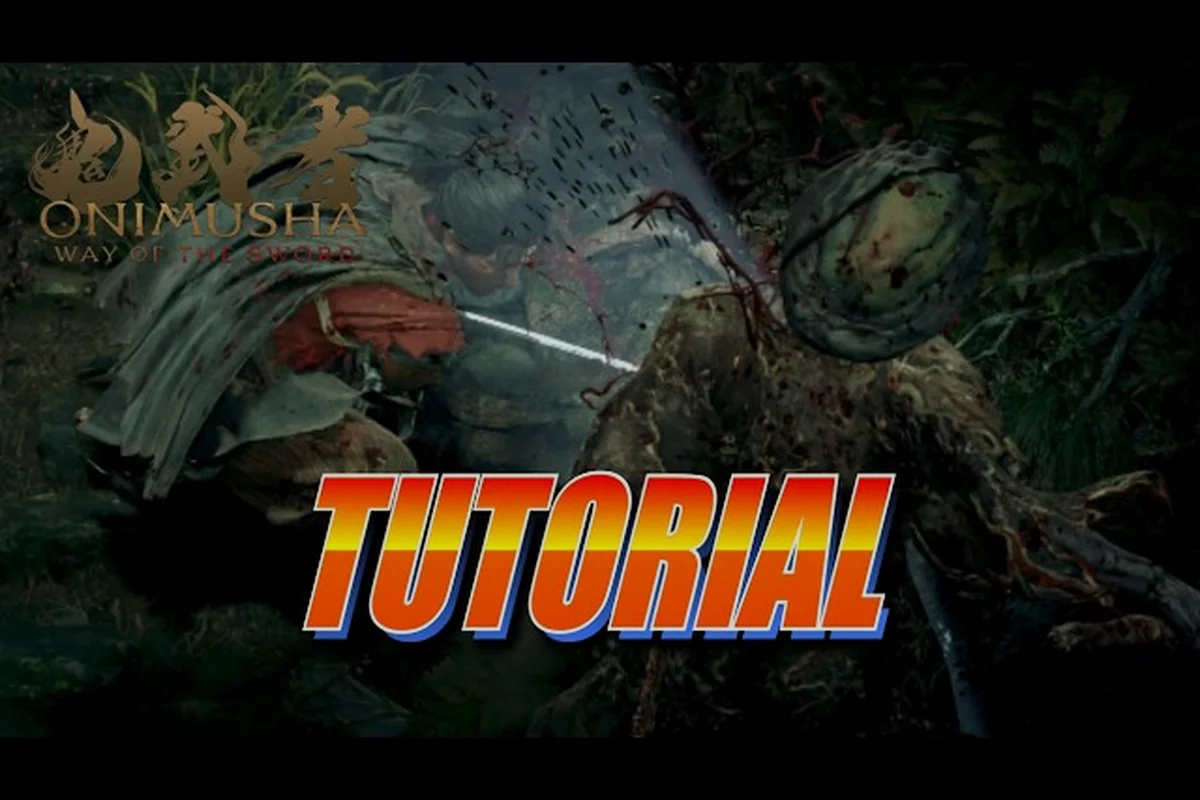
The Issen counter is the heart of Onimusha: Way of the Sword's combat, and this onimusha way of the sword issen guide breaks down exactly when to press the button for a flawless execution. Mastering this timing transforms every duel, because a well-timed Issen not only negates incoming damage but also triggers a devastating instant kill that turns the tide of battle. The mechanic rewards precise observation over button mashing, and understanding the Rikido posture system is the first step toward consistent triggers. Get ready to study enemy wind-up animations and practice the parry window until it becomes muscle memory.
Understanding the Issen Trigger Window
The Issen counter activates when you parry an enemy attack at the exact moment their Rikido posture breaks, creating a narrow window that lasts only a few frames. According to the official Capcom site, the Issen is the signature instant-execution mechanic triggered when an enemy's posture is broken, which means you cannot simply spam the parry button and hope for the best. Instead, you must read each enemy's attack pattern and time your guard input to coincide with the final frames of their wind-up animation, because the game's hitbox detection is frame-perfect rather than forgiving.
The trigger window itself varies depending on enemy type and attack speed, with slower Genma demons offering more generous timing while faster human opponents demand near-perfect reflexes. Community testing on the r/Onimusha subreddit suggests that the window sits between 8 and 12 frames on standard enemies, though boss encounters like Shuten Doji compress this to roughly 5 frames. This variance means you need to develop a feel for each enemy's rhythm rather than relying on a universal timing, which is why the onimusha way of the sword how to trigger issen question has no single answer that works everywhere.
Reading Enemy Wind-Up Animations
Every enemy in Way of the Sword telegraphs their attacks with distinct body language, and learning these tells is the foundation of consistent Issen execution. The Genma demons typically raise their weapon arm high before a heavy swing, while human swordsmen shift their weight onto their back foot before a thrust. Your job is to watch for the flash frame — the brief moment when the enemy's weapon glints right before the strike connects — because that visual cue marks the precise instant you need to press the parry button.
| Enemy Type | Wind-Up Duration | Issen Window | Difficulty Rating |
|---|---|---|---|
| Basic Genma | 0.8 seconds | 10-12 frames | Beginner |
| Sword-Wielding Human | 0.5 seconds | 8-10 frames | Intermediate |
| Shuten Doji (Boss) | 0.3 seconds | 5-6 frames | Advanced |
| Greater Nue | 0.4 seconds | 6-8 frames | Advanced |
The table above shows how the window shrinks as enemy speed increases, which explains why new players struggle with boss encounters while finding basic Genma relatively forgiving. You can practice on weaker enemies to build the muscle memory, but the onimusha way of the sword parry guide advice remains the same: always wait for the flash frame rather than predicting the attack early. Players who report consistent Issen success emphasize that patience matters more than reaction speed, because pressing too early resets the window while pressing too late leaves you exposed to the full damage.
How to Parry and Trigger Issen
The parry input itself is straightforward — hold the guard button and release it at the moment of impact — but the execution requires understanding how the game's defensive mechanics interact. When you parry successfully, the enemy staggers backward, and this stagger creates the opening for an Issen follow-up. The key distinction is that a standard parry only deflects the attack, while a perfectly timed parry that breaks the enemy's Rikido posture triggers the full Issen execution, which dismembers most standard enemies in a single motion.
The onimusha way of the sword how to issen question often confuses players because the game does not explicitly teach the difference between a normal parry and an Issen trigger. Based on the Wikipedia gameplay overview, the guard stance blocks attacks from all directions, and a prolonged parry lets you steer an enemy's fall direction, which suggests that holding the guard longer after a successful parry gives you additional control options. This means you can choose between a quick Issen execution or a directional throw that slams enemies into walls for crowd control.
Parry Timing vs. Deflect Timing
Many players confuse the parry mechanic with the deflect mechanic, but they serve different purposes in combat. A parry is a defensive action that negates an incoming strike and staggers the attacker, while a deflect redirects projectiles or certain ranged attacks back at the source. The Issen trigger specifically requires a parry on a melee attack, because the Rikido posture break only occurs when you meet an enemy's physical strike with your guard at the perfect moment.
| Mechanic | Input Timing | Result | Issen Potential |
|---|---|---|---|
| Standard Parry | 5-10 frames before impact | Staggers enemy | No |
| Perfect Parry | 1-4 frames before impact | Breaks Rikido posture | Yes |
| Deflect | At projectile impact | Reflects projectile | No |
| Guard Stance | Hold continuously | Blocks all directions | No |
The table clarifies why the onimusha way of the sword how to parry question has a nuanced answer: you need the perfect parry window, not just any successful parry, to unlock Issen. Players who master this distinction report that their combat efficiency doubles, because a single Issen execution eliminates an enemy that would otherwise require three or four standard attacks. The perfect parry window is the narrow band between the standard parry and the attack landing, and practicing this specific timing is the fastest path to consistent Issen triggers.
Break Issen and Posture Management
The Break Issen represents the advanced tier of this mechanic, activating when you deplete an enemy's Rikido posture through consecutive parries and strikes rather than a single perfect parry. According to the official Capcom systems page, stamina-depleting parries and strikes enable Break Issen, an instant execution by dismemberment, which means you can build toward this powerful finisher through sustained pressure. This creates a strategic layer where you decide between going for the immediate Issen on a single attack or chaining parries to break posture and unlock the more devastating Break Issen.
The onimusha way of the sword break issen mechanic differs from the standard Issen in one crucial way: it works on bosses too, though the reward structure changes. Against regular enemies, Break Issen instantly kills them regardless of remaining health, while against bosses it trades between massive damage or extra souls, giving you a tactical choice in prolonged encounters. The official trailer footage confirms this decision point, showing players choosing between damage output and soul collection when Break Issen triggers on boss enemies.
Building Rikido Break Through Consecutive Parries
Chaining multiple parries in sequence is the most reliable method for breaking an enemy's Rikido posture, and the game rewards this aggressive defensive play with combat buffs. The Wikipedia gameplay notes mention that consecutive parries and dodges grant combat buffs, which means your defensive timing directly feeds into offensive power. Each successful parry chips away at the enemy's posture meter, and once that meter empties, the Break Issen window opens for a brief moment.
-
First parry staggers the enemy and begins posture damage
-
Second parry extends the stagger and adds more posture damage
-
Third consecutive parry typically breaks Rikido on standard enemies
-
Break Issen prompt appears on screen for 2-3 seconds
-
Execute with a light attack to trigger the dismemberment animation
This sequence works reliably on most Genma enemies, though human opponents recover their posture faster between attacks, requiring tighter timing on your consecutive parries. The posture recovery rate varies by enemy type, with bosses recovering nearly twice as fast as standard enemies, which is why you cannot simply spam parries against Shuten Doji and expect a Break Issen. Instead, you need to weave in light attacks between parries to maintain pressure and prevent posture from regenerating, a technique that the combat guide explains in greater detail alongside other advanced mechanics.
Boss Encounters and Issen Strategy
Boss fights in Way of the Sword demand a different approach to Issen because the risk-reward calculation shifts dramatically compared to standard encounters. The window shrinks to 5-6 frames on most bosses, and a mistimed parry leaves you open to attacks that can remove a third of your health bar. However, the payoff justifies the risk because a successful Issen on a boss deals massive damage and interrupts their attack chains, creating extended openings for your own offense.
The official Genma & Bosses trailer showcases Issen executions against Shuten Doji and the Greater Nue, demonstrating that the mechanic remains viable throughout the entire game rather than becoming obsolete in late-game encounters. Players who master the onimusha way of the sword issen guide techniques report that boss fights become significantly more manageable once they can consistently trigger Issen, because the damage output exceeds what standard combos can achieve. The soul bonus trade-off on Break Issen against bosses adds another layer, letting you choose between finishing the fight faster or farming souls for weapon upgrades.
Shuten Doji Issen Timing
Shuten Doji serves as the benchmark boss for Issen mastery because his attack patterns are telegraphed clearly but execute quickly, forcing you to commit to your timing decisions. His heavy overhead slam has a 0.3-second wind-up with a 5-frame Issen window, making it the hardest standard timing in the game. Community reports suggest that practicing against Shuten Doji in the demo builds the fastest path to mastering boss Issen timing, because his patterns repeat consistently and reward patient observation.
| Boss Attack | Wind-Up | Issen Window | Recommended Response |
|---|---|---|---|
| Overhead Slam | 0.3s | 5 frames | Parry at flash frame |
| Horizontal Sweep | 0.4s | 6 frames | Parry then directional throw |
| Charge Attack | 0.5s | 7 frames | Side-step then parry recovery |
| Combo Finisher | 0.2s | 4 frames | Block first two, parry third |
The table shows that even within a single boss fight, different attacks have different Issen windows, which means you cannot rely on a single timing for the entire encounter. You need to recognize which attack is coming based on the wind-up animation and adjust your parry timing accordingly, a skill that transfers directly to other boss fights. The Ki-en State buff from consecutive parries becomes especially valuable in these extended encounters, because the combat buffs it grants can mean the difference between surviving a mistimed parry and getting staggered into a combo.
Practice Drills and Training Methods
Consistent Issen execution requires deliberate practice rather than hoping the timing clicks during real combat, and the game provides several environments for honing this skill. The early game areas with basic Genma enemies offer the safest training ground because their generous 10-12 frame windows let you build confidence before moving to faster opponents. Players who rush into boss encounters without practicing on standard enemies often develop bad timing habits that are harder to unlearn.
The training approach recommended by community veterans involves three distinct phases: first, practice parrying without attacking to internalize the flash frame timing; second, add a single light attack after each successful parry to build the muscle memory for follow-ups; third, chain multiple parries against groups of enemies to simulate real combat conditions. This progression mirrors how the game itself introduces the mechanic, starting with single enemies before throwing mixed groups at you. For players who want to understand how the parry system connects to the broader defensive toolkit, the deflect guide covers the related mechanics that complement Issen timing.
Common Timing Mistakes and Fixes
Most players struggle with Issen for one of three reasons: pressing the parry button too early, relying on prediction instead of reaction, or failing to account for attack speed differences between enemy types. The early-press problem usually stems from anxiety about getting hit, which causes you to preemptively parry before the flash frame appears. The fix is to force yourself to wait until you see the weapon glint, even if it means eating a few hits while you recalibrate your timing.
-
Mistake: Pressing parry at the start of the wind-up animation
-
Fix: Wait for the flash frame — the weapon glint signals the actual strike
-
Mistake: Using the same timing for all enemies
-
Fix: Study each enemy type's wind-up duration and adjust accordingly
-
Mistake: Mashing the parry button repeatedly
-
Fix: Single deliberate press at the correct moment — mashing resets the window
The prediction problem occurs when you anticipate an attack that never comes, leaving you in a parry animation while the enemy recovers and resets their posture. This is why the onimusha way of the sword issen guide emphasizes reaction over prediction: the flash frame always appears before the strike connects, giving you a reliable visual cue regardless of enemy behavior. The attack speed variance between enemy types means that a timing that works on basic Genma will feel too slow or too fast on human opponents, so you need to consciously adjust rather than relying on a single internal rhythm.
Frequently Asked Questions
What is the exact Issen trigger timing in Onimusha: Way of the Sword?
The Issen triggers when you parry an enemy attack within 1-4 frames of impact, which is the perfect parry window. Standard parries that land 5-10 frames early only stagger the enemy without breaking their Rikido posture. The window varies by enemy type, with basic Genma offering 10-12 frames while bosses compress it to 5-6 frames.
How do I perform Break Issen against bosses?
Break Issen against bosses requires depleting their Rikido posture through consecutive parries and strikes, rather than a single perfect parry. Once the posture meter empties, a prompt appears for 2-3 seconds, and executing it triggers the Break Issen. Against bosses, this trades between massive damage or extra souls, letting you choose your reward.
Can I trigger Issen on every enemy type?
Yes, every enemy in the game can be Issen'd, but the timing window varies significantly by type. Basic Genma demons offer the most generous windows at 10-12 frames, while human swordsmen and bosses require tighter timing at 5-8 frames. Projectile attacks cannot be Issen'd — those require the deflect mechanic instead.
Does the guard stance affect Issen timing?
The guard stance blocks attacks from all directions but does not trigger Issen on its own. You must release the guard and re-press it at the precise moment of impact to achieve a perfect parry. Holding the guard continuously only blocks damage, while a prolonged parry lets you steer the enemy's fall direction for crowd control.
What combat buffs do consecutive parries grant?
Consecutive parries and dodges build toward the Ki-en State, which grants combat buffs that enhance your offensive capabilities. The buffs stack with each successful defensive action, rewarding aggressive play that maintains pressure on enemies. Breaking this chain resets the buff accumulation, so maintaining defensive consistency is key to maximizing the effect.