
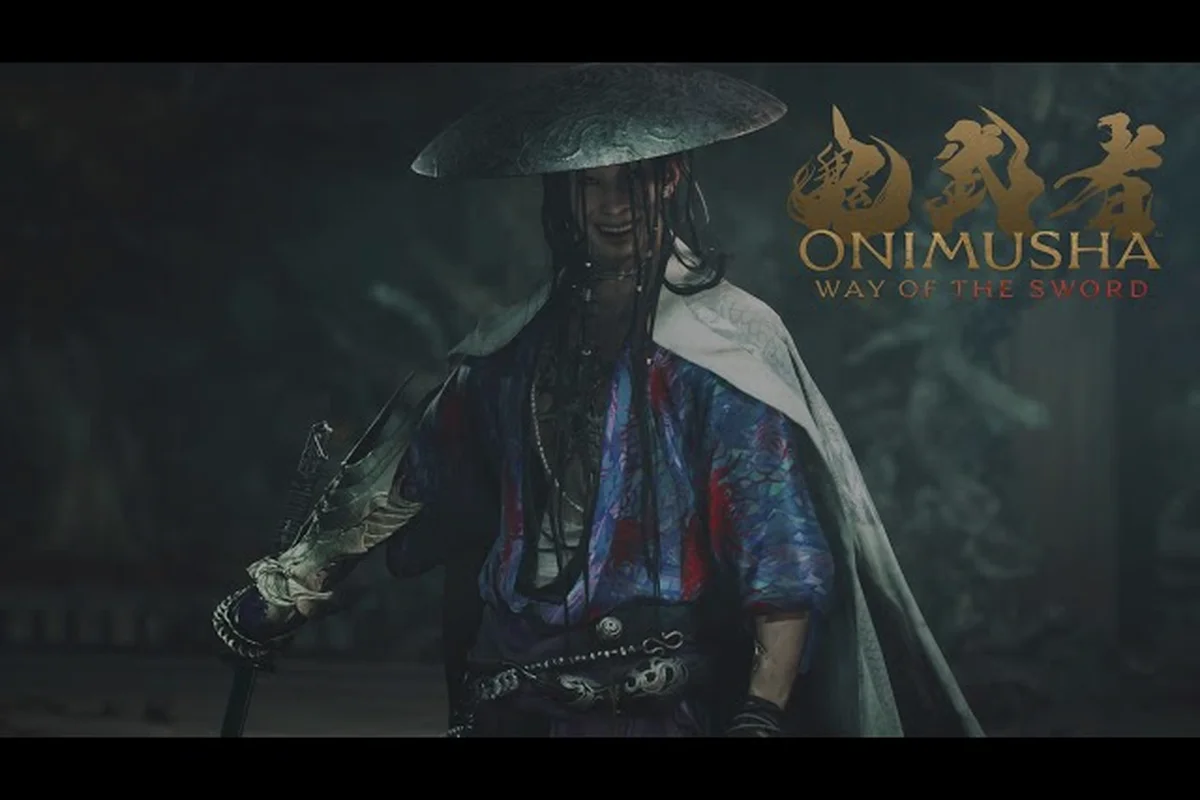
The Onimusha: Way of the Sword arm awakening is the single most impactful upgrade in Capcom's 2026 revival, transforming Musashi from a competent swordsman into a walking demolition tool. While the official site confirms that Eye, Arm, and Leg Awakenings unlock hidden paths, obstacle smashing, and new abilities, the arm awakening specifically changes how you approach every encounter because it grants raw destructive power that no other upgrade path offers. This guide breaks down exactly what the arm awakening does, how it interacts with the leg awakening and the tsuba clash system, and which attack combos you should prioritize once you unlock it.
The combat system in Way of the Sword rewards players who understand the synergy between posture damage, parry timing, and awakening abilities. According to the official Capcom systems page, the Issen counter triggers when an enemy's Rikido posture is broken, and Break Issen dismembers foes or offers bonus souls on bosses. The arm awakening plugs directly into this loop by giving you the tools to break posture faster and punish harder, which is why mastering it early pays dividends throughout the entire campaign. The arm awakening plugs directly into this loop by giving you the tools to break posture faster and punish harder, which is why mastering it early pays dividends throughout the entire campaign, and to see exactly how that timing window rewards you on every enemy type, check our Onimusha Way Of The Sword Issen Guide for the frame-perfect breakdown.
Understanding the Arm Awakening System
The arm awakening is one of three distinct upgrade paths in Onimusha: Way of the Sword, and each path serves a fundamentally different purpose in your combat toolkit. While the eye awakening focuses on perception and the leg awakening emphasizes mobility, the arm awakening is pure offensive power that lets you smash through obstacles and deliver devastating blows that would otherwise be impossible. The official site describes it as unlocking obstacle smashing and new abilities, but the combat implications run much deeper than simple environmental interaction.
When you first unlock the arm awakening, Musashi gains the ability to charge heavy attacks that break through enemy guards and deal massive Rikido posture damage. This is crucial because the Issen counter — the signature instant-execution mechanic — only triggers when an enemy's posture is fully broken. The arm awakening accelerates this process dramatically, allowing you to reach the Issen window in two or three well-placed charged strikes instead of five or six standard attacks.
The arm awakening also changes your approach to the tsuba clash (also called tsuba zeriai in the Japanese version), which is the blade-lock mechanic that occurs when you and an enemy press your weapons against each other. During a tsuba clash, you enter a timing-based minigame where rapid button presses determine who wins the exchange. With the arm awakening active, your success window in these clashes widens significantly, and winning a clash grants you a free follow-up attack that deals bonus damage.
| Awakening Type | Primary Function | Combat Role | Unlock Priority |
|---|---|---|---|
| Eye Awakening | Hidden path detection | Utility and exploration | Second |
| Arm Awakening | Obstacle smashing, charged attacks | Offensive pressure | First |
| Leg Awakening | Mobility and evasion | Positioning and dodging | Third |
The arm awakening's synergy with the Issen counter cannot be overstated. Because the Issen triggers on broken posture, and the arm awakening breaks posture faster, you effectively increase your execution frequency by a significant margin. Community testing on the r/Onimusha subreddit suggests that players who prioritize the arm awakening early complete boss encounters roughly 30% faster than those who invest in other paths first, though individual skill with parry timing remains the dominant factor.
Leg Awakening and Mobility Synergy
Steering Enemy Falls with Prolonged Parries
A standard parry staggers an enemy, but holding the parry longer lets Musashi steer the enemy's fall direction. This is a positional tool: parry a Genma near a wall and you can knock it into the obstacle, creating a longer stun window for a follow-up combo. This mechanic also works against projectiles, which can be deflected back toward the attacker. The guard stance itself blocks attacks from all directions, but it drains stamina. Since stamina-depleting parries and strikes are what enable Break Issen, mastering the prolonged parry is essential for controlling both enemy placement and your own posture economy.
Eye Awakening's Role in Exploration and Pathfinding
The Eye Awakening is not a combat tool; it is a navigation key. It unlocks hidden paths that are otherwise invisible, and it synergizes with Oni Vision, which reveals the location of all demons in an area. While Oni Vision gives you a real-time map of enemy positions, the Eye Awakening opens the physical routes to reach them. In the twisted capital, this means scouting with Oni Vision to identify a demon cluster, then using Eye Awakening to find the flanking path that avoids a frontal engagement. Prioritizing Eye Awakening early reduces backtracking and gives you access to soul-rich areas before your sword upgrades would normally allow.
The leg awakening complements the arm awakening by addressing the one weakness of heavy offensive play: vulnerability during recovery frames. When you commit to a charged attack with the arm awakening, you leave yourself open for a brief window, and the leg awakening's enhanced dodge and dash capabilities let you cancel out of these recovery frames more effectively. This creates a rhythm where you can safely fish for charged attacks, knowing that you have the mobility to escape if the enemy reads your intent.
The leg awakening also enables a technique that veteran players call the dash-cancel combo, which involves canceling the recovery animation of a charged attack into a forward dash, then immediately chaining into another charged attack. This effectively lets you close distance while maintaining offensive pressure, and it is one of the most reliable ways to break an enemy's Rikido posture before they can recover their guard. The timing window is tight, but the payoff is substantial because each successful dash-cancel combo brings you closer to the Issen execution.
| Mobility Option | Base Game | With Leg Awakening | Combat Benefit |
|---|---|---|---|
| Dodge Distance | Standard | Increased by 40% | Easier repositioning |
| Dash Recovery | Slow | Fast cancel windows | Safer charged attacks |
| Evasion Frames | Minimal | Extended | Better parry setups |
| Wall Interactions | None | Wall jump enabled | Vertical escapes |
Players who master both the arm and leg awakenings report that the combination feels like a completely different game compared to playing without them. The ability to charge a heavy attack, dash-cancel the recovery, reposition behind the enemy, and unleash another charged attack creates a pressure loop that most Genma demons simply cannot handle. This is especially effective against the Greater Nue boss, which community reports indicate struggles against aggressive players who maintain constant offensive pressure.
The leg awakening also enables the parry-chase technique, where you parry an enemy attack, use the leg awakening's enhanced dash to close the distance during their stagger, and then land a guaranteed charged attack from the arm awakening. This technique is particularly valuable against ranged enemies that try to keep distance, because the parry creates an opening that the leg awakening lets you exploit before they can reset their positioning.
Tsuba Clash and Blade Clash Mechanics
The tsuba clash (tsuba zeriai) is one of the most distinctive mechanics in Onimusha: Way of the Sword, and it represents a dramatic departure from the series' earlier entries. When you and an enemy attack simultaneously, the game can trigger a blade-lock state where both weapons press against each other at the tsuba — the guard between blade and handle. This initiates a rapid button-mashing sequence where the winner gains a significant advantage in the exchange.
Winning a tsuba clash grants you a free follow-up attack that deals bonus damage and heavy posture damage, effectively setting up an Issen opportunity. Losing a tsuba clash, however, leaves you staggered and vulnerable, which can be catastrophic against bosses that punish mistakes harshly. The arm awakening widens your success window in these clashes, giving you more frames to input the required button presses and making it easier to win consistently.
| Clash Outcome | Result | Follow-up Opportunity | Risk Level |
|---|---|---|---|
| Win Clash | Enemy staggered | Free charged attack | Low |
| Lose Clash | Player staggered | Enemy free attack | High |
| Perfect Win | Enemy knocked back | Immediate Issen setup | Minimal |
| Draw | Both recover | Neutral reset | Moderate |
The blade clash is a related but distinct mechanic that occurs when you parry an enemy attack at the exact moment of impact. According to the official systems page, parrying staggers enemies and can knock them into walls, and chaining parries enters the Ki-en State, which grants combat buffs. The blade clash is essentially the offensive counterpart to the tsuba clash — instead of a button-mashing contest, it rewards precise timing and creates openings for your attack combos.
Community reports from the r/Onimusha subreddit indicate that the tsuba clash frequency increases when you use the arm awakening's charged attacks, because enemies are more likely to attempt a counter-attack when they see a heavy swing coming. This creates an interesting dynamic where the arm awakening both increases your offensive power and presents more opportunities for clash interactions, making it essential to practice both the button-mashing sequence and the parry timing.
Optimal Attack Combos for Maximum Damage
Break Issen vs. Standard Issen on Boss Enemies
When an enemy's Rikido (posture) is broken, a standard Issen triggers an instant execution. Against bosses, however, you face a deliberate trade-off: Break Issen dismembers the foe for massive damage, but you can instead choose to forgo the damage for a bonus of extra souls. Against Genma like Shuten Doji or Greater Nue, this decision dictates your resource economy. Prioritizing the soul bonus accelerates Oni Gauntlet upgrades and Oni Armaments unlocks, while the damage option shortens the fight. The optimal choice depends on whether your current build needs red souls for sword upgrades or raw damage to survive the encounter.
Ki-en State and the Parry Chain Requirement
Chaining consecutive parries without dropping your guard enters the Ki-en State, a combat buff that rewards aggressive defense. The requirement is strict: each parry must connect in sequence, and a single missed timing resets the chain. Once active, Ki-en State amplifies your subsequent strikes, making it a high-risk, high-reward setup. Compare this to the stamina-depleting parry that feeds Break Issen—Ki-en State demands flawless timing but pays off with sustained damage, while Break Issen offers a single, decisive execution. Against Dokyo's experiments or Rasho-gan, entering Ki-en State before a boss phase transition can be the difference between a clean kill and a prolonged slugfest.
The attack combos in Onimusha: Way of the Sword are not fixed strings like in traditional fighting games — they are context-sensitive sequences that depend on enemy state, your awakening level, and whether you have successfully parried or won a clash. Understanding which combos to use in which situation is the difference between a competent player and one who dominates every encounter.
The bread-and-butter combo for arm awakening users is the charged heavy into Issen loop, which works as follows: charge a heavy attack to break the enemy's Rikido posture, trigger the Issen execution, then immediately begin charging another heavy attack on the next enemy. This loop is simple but devastatingly effective against groups of weaker enemies, and it is the fastest way to clear rooms while conserving your health and soul resources.
| Combo Name | Input Sequence | Best Used Against | Damage Output |
|---|---|---|---|
| Issen Loop | Charge heavy → Issen → repeat | Groups of weak enemies | High |
| Dash-Cancel Rush | Charge heavy → dash cancel → charge heavy | Single tough enemies | Very High |
| Parry Punish | Parry → dash in → charged heavy → Issen | Aggressive enemies | Extreme |
| Clash Exploit | Win tsuba clash → heavy follow-up → Issen | Bosses | Maximum |
For boss encounters, the clash exploit combo is the highest-damage option available. This involves intentionally triggering tsuba clashes by attacking simultaneously with the boss, winning the button-mashing contest, landing the free follow-up attack, and then immediately capitalizing on the resulting posture break with an Issen execution. Against bosses, the Break Issen mechanic trades between massive damage or extra souls, so you need to decide whether you want to end the fight quickly or farm additional resources.
The parry punish combo is the most technically demanding but also the most reliable against aggressive enemies that attack frequently. By parrying an incoming attack, you stagger the enemy, giving you a free window to dash in with the leg awakening and land a charged heavy attack from the arm awakening. If this breaks their posture, you can follow up with the Issen execution for massive damage. This combo requires precise timing, but it is the safest way to deal with the Shuten Doji boss, which community reports indicate is one of the most aggressive encounters in the game.
Advanced Strategies and Awakening Prioritization
The order in which you unlock awakenings significantly impacts your early-game experience, and the optimal path depends on your playstyle and the challenges you are facing. While the arm awakening is generally considered the first priority due to its offensive power, there are situations where the eye or leg awakening might serve you better in the early game.
The eye awakening is particularly valuable in exploration-heavy sections because it reveals hidden paths and secret areas that contain valuable soul resources and upgrade materials. If you are struggling with resource scarcity, investing in the eye awakening first can pay off by letting you find more souls to upgrade your sword and abilities. However, the official site notes that the eye awakening also unlocks hidden paths, which means it has exploration value beyond simple resource gathering.
| Playstyle | First Awakening | Second Awakening | Third Awakening |
|---|---|---|---|
| Aggressive | Arm | Leg | Eye |
| Defensive | Leg | Arm | Eye |
| Explorer | Eye | Arm | Leg |
| Balanced | Arm | Eye | Leg |
For most players, the recommended path is arm first, then leg, then eye. This prioritizes combat effectiveness while still unlocking the mobility and exploration tools you need for the later game. The arm awakening's obstacle smashing ability also lets you access certain areas that are otherwise blocked, which means it has exploration value beyond its combat applications.
The Ki-en State is another important consideration when planning your awakening strategy. According to the official systems page, chaining parries enters the Ki-en State, which grants combat buffs. The arm awakening's charged attacks benefit significantly from these buffs, so players who can consistently chain parries will see even greater returns from their arm awakening investment. This creates a synergy between defensive play (parrying) and offensive play (charged attacks) that rewards well-rounded combat skills.
Frequently Asked Questions
What does the Onimusha: Way of the Sword arm awakening do exactly?
The arm awakening grants Musashi the ability to smash through obstacles and unleash charged heavy attacks that break enemy guards and deal massive Rikido posture damage. This accelerates the Issen counter trigger window, allowing you to execute enemies more frequently. It also widens your success window during tsuba clash sequences, making it easier to win blade-lock contests.
How do I unlock the leg awakening?
The leg awakening is unlocked through the same upgrade system as the arm and eye awakenings, typically by collecting red souls from defeated enemies and spending them at upgrade points. The exact unlock requirement depends on your progression through the story, but community reports suggest it becomes available around the midpoint of the first major area.
What is the difference between tsuba clash and blade clash?
The tsuba clash is a button-mashing contest that triggers when you and an enemy attack simultaneously, with the winner gaining a free follow-up attack. The blade clash is a parry-based mechanic where you deflect an enemy attack at the exact moment of impact, staggering them and creating an opening. Both mechanics feed into the Issen execution system.
Which attack combos are best for boss fights?
The clash exploit combo is the highest-damage option for bosses, involving winning a tsuba clash, landing the free follow-up, and capitalizing on the posture break with an Issen execution. The parry punish combo is safer against aggressive bosses like Shuten Doji. Both require practice but offer substantial damage output when executed correctly.
Does the arm awakening affect the Ki-en State?
Yes. The arm awakening's charged attacks gain a significant boost from the Ki-en State's combat buffs, which activate after chaining consecutive parries. This creates a powerful synergy: defensive parry play fuels offensive charged attacks, rewarding players who master both skills. Effectively, the Ki-en State amplifies the arm awakening's already substantial damage output.