
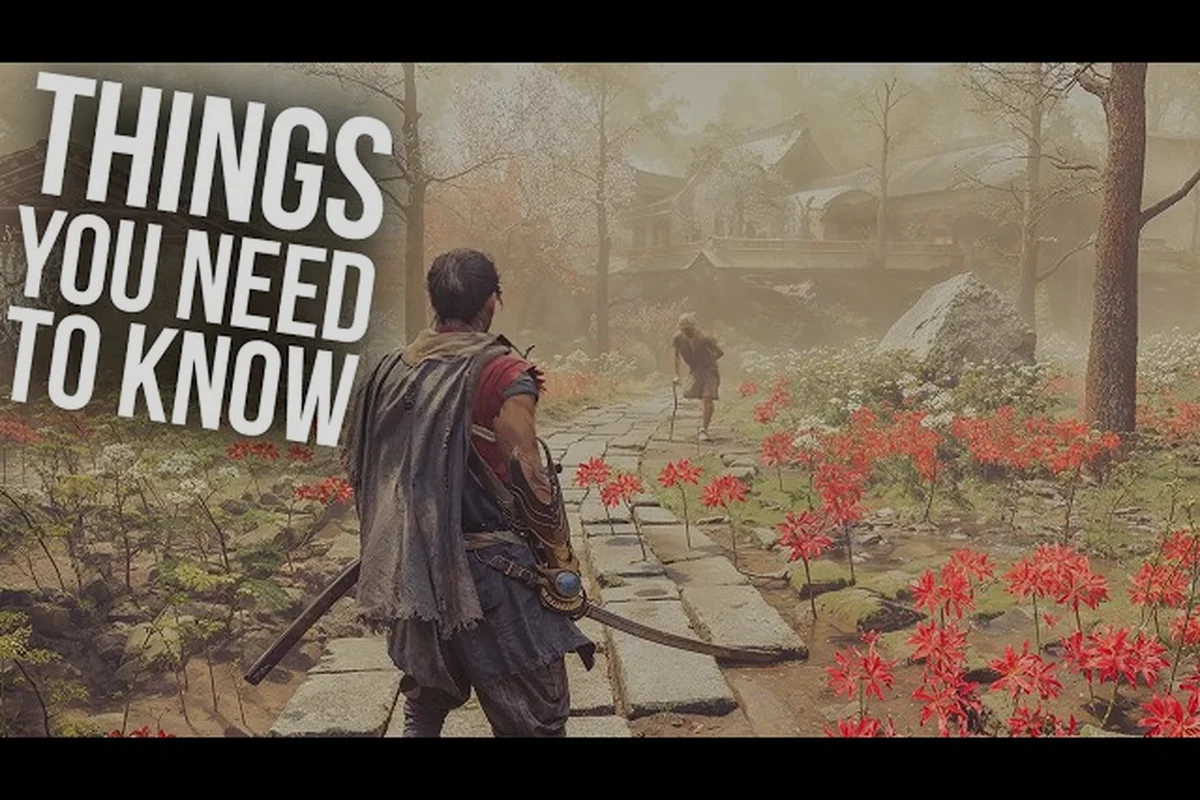
The Onimusha: Way of the Sword beginner guide you are reading right now exists because Capcom's return to the franchise is brutally honest about one thing: it will not hold your hand. You play as Miyamoto Musashi in a dark fantasy Edo-period Kyoto twisted by Malice, and the game expects you to learn its swordplay language quickly. The good news is that the core systems are learnable, and once the parry timing clicks, the entire experience transforms from survival horror into a rhythmic dance of steel and soul absorption. This starting guide breaks down everything you need before you step into the blood-soaked streets, from the Oni Gauntlet mechanics to the exact order you should upgrade your abilities.
What makes this entry different from the classic trilogy is the RE Engine presentation and the deeper posture-based combat that rewards precision over button mashing. According to the official Steam listing for Onimusha: Way of the Sword, the game launches September 3-4 2026 on PC, PS5, Xbox Series X|S, and Nintendo Switch 2, with Denuvo anti-tamper DRM, Steam Achievements, cloud saves, and HDR support confirmed. If you are coming in fresh, this Onimusha: Way of the Sword how to play guide will save you hours of frustration by explaining the systems before you face your first Genma horde. Once you’ve got the combat basics down, tracking down every unlockable is a different beast entirely, so our Onimusha Way Of The Sword Achievement Guide breaks down each requirement to help you secure that 100% completion before the credits roll.
Onimusha: Way of the Sword Starting Guide — Core Combat Fundamentals
The combat in this game revolves around a few interconnected systems that you must understand before you can execute anything flashy. The Issen counter is your most important tool, triggered when an enemy's Rikido (posture) breaks, allowing an instant execution that dismembers foes. Against bosses, landing a Break Issen trades between massive damage or bonus souls, so you need to read each situation carefully.
Your basic toolkit includes a standard strike, a parry that can deflect projectiles, and a guard stance that blocks attacks from all directions. What makes the parry special is that a prolonged parry lets you steer an enemy's fall direction, which becomes crucial for knocking foes into walls or environmental hazards. The stamina system governs everything, since both parries and strikes drain it, and running dry leaves you vulnerable to a full combo.
Here is the core loop you will repeat for the first few hours: explore a small zone, absorb souls from fallen enemies, and spend them at a save point before pushing further. This rhythm is critical for beginners because dying in Onimusha: Way of the Sword causes you to drop all unspent souls, and with the early-game Issen parry timing still unfamiliar, you will likely take hits that drain your health gauge quickly. Prioritize upgrading your sword's attack power first over health, as faster kills mean fewer chances for the Genma to swarm you in tight corridors.
-
Strike to pressure enemies and force them to commit to attacks.
-
Parry the incoming swing to stagger the foe and open their posture.
-
Break Issen when the Rikido bar shatters for an instant kill.
-
Absorb souls from defeated enemies using the Oni Gauntlet.
-
Dodge or guard when outnumbered to reset the engagement.
The Oni Vision ability reveals the location of all demons in an area, which sounds simple but becomes a lifesaver in the cluttered streets of Kyoto where enemies blend into the Malice-soaked environment. You should activate it whenever you enter a new zone, because the game loves ambushes and the visual highlight gives you a precious second to prepare your guard stance.
| Combat Action | Stamina Cost | Primary Use | Risk Level |
|---|---|---|---|
| Standard Strike | Low | Chip damage, pressure | Low |
| Parry | Medium | Stagger, deflect projectiles | Medium |
| Break Issen | None (requires full Rikido break) | Instant kill, bonus souls | High reward |
| Guard Stance | Low drain while held | Block all directions | Low |
| Dodge | Medium | Reposition, avoid grabs | Medium |
Your early hours will be spent internalizing the rhythm of parry into Issen, and the training area in the opening chapter is there for a reason. Spend ten minutes there before progressing, because the timing window is tighter than it looks in trailers, and the game's difficulty curve assumes you have at least a basic grasp of the counter system.
Onimusha: Way of the Sword Tips and Tricks — Soul Management and Upgrades
Break Issen vs. Standard Issen — Boss Soul Trade-Off
When a boss's Rikido (posture) breaks, you face a deliberate choice. Standard Issen executes instantly, dealing massive damage but yielding only the boss's base soul drop. Break Issen, triggered by stamina-depleting parries and strikes, dismembers the boss instead, trading a portion of damage for a significantly larger soul payout. Against early Genma generals, this trade favors Break Issen: the extra souls fund two to three red-soul sword upgrades before the next arena, whereas the damage difference rarely exceeds one extra hit combo. Save standard Issen for enrage-phase bosses where kill speed outweighs soul income.
Ki-en State Chaining — Consecutive Parry Buffs
Chaining parries and dodges without taking a hit activates the Ki-en State, a temporary combat buff that escalates with each consecutive successful evasion. The first chain grants a modest attack-speed increase; extending the chain to five consecutive parries adds a damage multiplier on your next Issen window. This makes Ki-en State the optimal setup for boss fights — deliberately parry the first two attacks of a boss's combo rather than dodging, building the chain before committing to Break Issen. Note that blocking with the guard stance resets the chain, so reserve guard for projectiles and multi-directional attacks.
The Oni Gauntlet is a sentient artifact that consumes the souls of defeated enemies, and understanding the three soul colors is the difference between thriving and struggling. Yellow souls restore your health, red souls upgrade Musashi's sword and abilities, and blue souls unlock Oni Armaments — special weapons that in turn yield yellow souls when used. This creates an economy where you constantly decide between immediate survival and long-term power growth.
The official Capcom site details how the Issen counter and Break Issen work in tandem with the Awakening system. Eye Awakenings, Arm Awakenings, and Leg Awakenings unlock hidden paths, obstacle smashing, and new abilities respectively, so you want to prioritize exploration early to find these upgrade nodes. They are not optional side content; some progression paths are physically blocked until you obtain the corresponding Awakening.
For your first playthrough, follow this upgrade priority order: Health (Vitality) first, then Oni Gauntlet capacity, then Attack. This isn't arbitrary—early-game enemies like the Genma soldiers in the opening village hit hard, and the 10-hit combo from a fully-upgraded Katana means nothing if you're one-shot by a red-eyed brute. Prioritizing Vitality to Level 3 (roughly 40% more HP) ensures you survive the first boss's grab attack, which deals around 60% of a base-health bar. After that, invest in Oni Gauntlet slots to stock more Sacred Jewels, letting you spam Issen counters during the mid-game fortress siege without rationing. Save Attack upgrades for last, since raw damage only matters if you can survive long enough to land the finishing blow.
-
Red souls into sword upgrades first — damage scaling matters more than anything early.
-
Blue souls into one Oni Armament — having a backup weapon for tough fights is essential.
-
Yellow souls saved for emergencies — do not waste them on minor scratches.
-
Eye Awakening first — the hidden path access opens up bonus soul caches.
-
Leg Awakening second — mobility helps you escape bad engagements.
The soul absorption mechanic also feeds into your Ki-en State, which activates when you chain parries successfully. This buffed state increases your damage output and gives you breathing room in crowded fights, so learning to chain two or three parries in a row is a high-value skill. Community reports suggest that players who master the parry chain can effectively stunlock most regular enemies, though bosses will punish overconfidence.
| Soul Color | Primary Use | Best Farming Method | Early Priority |
|---|---|---|---|
| Yellow | Health restoration | Break Issen executions | Medium |
| Red | Sword and ability upgrades | Standard kills, chests | High |
| Blue | Oni Armament unlock | Elite enemies, hidden rooms | Medium |
One mistake new players make is hoarding red souls for a "big purchase" that never comes. The game's upgrade costs scale with each tier, but the early upgrades are cheap and provide immediate returns. Spend red souls as soon as you have enough for the next sword level, because the damage increase from even one tier changes how many strikes you need to break an enemy's Rikido.
Onimusha: Way of the Sword How to Play — Exploration and Awakening Paths
Parry Steering and Wall Knockback Positioning
A prolonged parry does more than block — it lets you steer an enemy's fall direction. This is your primary crowd-control tool in Edo Kyoto's narrow streets. Parry a Genma warrior, hold the input, and aim its stagger toward a wall; the impact triggers bonus stagger frames, leaving the enemy vulnerable to a full three-hit combo. Against groups, steer the first enemy into the second, interrupting both simultaneously. This positioning mechanic also sets up Break Issen: a wall-staggered enemy's Rikido breaks with one fewer stamina-depleting strike, conserving stamina for the follow-up execution.
Eye, Arm, and Leg Awakening — Exploration Priority
Awakenings are the hidden progression system tied to exploration, not combat. Eye Awakenings reveal hidden paths and secret rooms — prioritize these first, as they unlock shortcuts that bypass Genma patrols and grant access to blue souls for Oni Armaments. Arm Awakenings enable obstacle smashing, opening routes blocked by debris and breakable walls. Leg Awakenings provide new movement abilities, including extended dodges that chain into Ki-en State more reliably. In Chapter 2's twisted Kyoto, the Eye Awakening in the burned district reveals a hidden path to two red souls and a blue soul — a 50% upgrade advantage over the main road's single red soul.
Exploration in this game is not optional padding; it is the primary way you acquire the tools needed to progress. The Eye Awakening reveals hidden paths that contain bonus soul caches and sometimes entire optional arenas, while the Arm Awakening lets you smash through obstacles that block shortcut routes. The Leg Awakening grants new movement abilities that open up vertical exploration, and some of the best Oni Armaments are tucked away in areas you can only reach with it.
The Malice-corrupted Kyoto is designed as a semi-open hub with multiple branching paths, and the game rewards thorough exploration with both loot and lore. According to the official Capcom site for Onimusha: Way of the Sword, the Awakening system is central to the game's progression design, so treat every hidden corner as a potential upgrade opportunity.
Before you start sprinting toward the glowing objective marker, run this exploration checklist in every new zone: first, sweep the perimeter for hidden Isshu nodes and breakable walls, which often conceal Soul Orbs and upgrade materials that don't appear on your minimap; second, prioritize activating any Ogre Gauntlet pressure plates you find, as these unlock shortcut gates that drastically cut down backtracking time during boss retries; third, save your Awakening Crystals until you've fully scouted the area—spending them early on a path that dead-ends wastes a resource that could permanently boost your Oni Gauntlet absorption rate. Finally, note the placement of Yokai spawn points relative to healing shrines; knowing whether you can kite a tough enemy back to a shrine for a safe heal turns a risky encounter into a manageable one.
-
Activate Oni Vision immediately to spot all enemies and hidden items.
-
Check for breakable walls that require the Arm Awakening.
-
Look for elevated platforms that need the Leg Awakening.
-
Search for glowing markers that indicate Eye Awakening paths.
-
Clear every optional arena for bonus soul rewards.
The game's map design encourages backtracking, since you will often spot an unreachable area early and return later with the correct Awakening. This is not a linear corridor game, and treating it as one will cause you to miss a significant portion of the upgrade economy. If you are the type of player who skips side content, this is the one game where you should break that habit.
| Awakening Type | Unlocks | Exploration Value | Recommended Order |
|---|---|---|---|
| Eye Awakening | Hidden paths, secret rooms | High | First |
| Arm Awakening | Obstacle smashing, shortcuts | Medium | Second |
| Leg Awakening | Vertical movement, new areas | High | Third |
The order matters because the Eye Awakening gives you access to more soul sources early, which accelerates your sword upgrades. The Arm Awakening is useful but mostly opens shortcuts rather than entirely new areas, while the Leg Awakening is the key to some of the best loot in the game. Plan your exploration around these priorities, and you will enter the mid-game significantly stronger than a player who rushed the main path.
Onimusha: Way of the Sword for Beginners — Boss Encounters and Break Issen Strategy
Boss fights in this game are where the combat system truly shines, but they are also where beginners hit a wall. The key difference from regular enemies is that bosses cannot be instantly executed with a standard Issen; instead, a Break Issen against a boss trades between massive damage or extra souls. This means you need to decide in the moment whether you want to end the fight faster or farm more resources.
The Rikido posture system applies to bosses as well, but their posture bars recover much faster than regular enemies. You cannot simply spam parries and expect to break them; you need to mix in strikes to keep the pressure up while watching for their telegraphed attacks. Each boss has a specific rhythm to their combos, and the game expects you to learn it through repetition.
For your first boss encounters, follow this approach: instead of attacking recklessly, hold your ground and bait the boss's telegraphed strike, then trigger a perfectly timed Issen counter—this parry window is only about 8 frames, so practice the timing on the early Ganryu Island soldiers before attempting it on a boss. Landing a successful Break Issen not only deals massive damage but also staggers the enemy, giving you a safe opening to chain a three-hit combo; if you mistime it, however, you'll eat the full hit, so prioritize blocking with your katana and learning the boss's attack patterns over aggressive play in the first phase.
-
Study the attack patterns for the first minute without attacking.
-
Parry the final hit of each combo to maximize posture damage.
-
Strike twice after a successful parry to maintain pressure.
-
Save Break Issen for when the boss is at low health for the damage bonus.
-
Use Oni Armaments if the fight drags past three minutes.
The Ki-en State becomes especially valuable in boss fights because the damage buff shortens the fight significantly. Chaining two parries in a row against a boss is difficult but achievable, and the reward is a window where your strikes deal noticeably more damage. Community testing suggests that the Ki-en State damage buff stacks with sword upgrade levels, so a fully upgraded sword in Ki-en State can melt boss health bars.
| Boss Phase | Recommended Tactic | Common Mistake | Punishment |
|---|---|---|---|
| Phase 1 (full health) | Learn patterns, parry final hits | Button mashing | Heavy damage |
| Phase 2 (half health) | Use Ki-en State, break posture | Overcommitting | Grab attacks |
| Phase 3 (low health) | Save Break Issen, use Armaments | Panic dodging | One-shot combos |
The most common beginner mistake is treating boss fights like regular encounters and trying to Break Issen immediately. Bosses are designed to punish this, with recovery animations that are too fast for a standard Issen follow-up. Wait for the Rikido bar to be nearly empty, then commit to the Break Issen for the massive damage or bonus souls.
Onimusha: Way of the Sword Progression Guide — What to Do First
Your first hour in the game sets the tone for the entire playthrough, and the choices you make during this window have outsized impact on your early difficulty. The game's opening chapter is linear, but it opens up quickly, and how you spend your souls and which Awakenings you pursue will determine whether the second chapter feels fair or brutal.
Start by completing the tutorial area thoroughly, including the optional training segments that teach the parry timing. The game does not force you to do these, but skipping them is a trap, because the timing window for parries is tight and the training area gives you a safe space to internalize it. After the tutorial, your priority list should be:
-
Spend red souls on sword upgrades before anything else.
-
Find the first Eye Awakening to unlock hidden soul caches.
-
Farm yellow souls by clearing optional arenas.
-
Unlock one Oni Armament as a backup weapon.
-
Practice parry chains against regular enemies.
The Oni Vision ability should become a habit, not an occasional tool. Activating it every time you enter a new area costs nothing and reveals both enemy positions and hidden items, making it the single best quality-of-life tool in the game. Players who use Oni Vision consistently report significantly fewer ambush deaths and higher soul collection rates.
| Early Goal | Time Investment | Reward | Difficulty |
|---|---|---|---|
| Sword upgrade level 2 | 30 minutes | +15% damage | Easy |
| First Eye Awakening | 45 minutes | Hidden path access | Medium |
| First Oni Armament | 1 hour | Backup weapon | Medium |
| Parry chain mastery | 1-2 hours | Ki-en State access | Hard |
The game's difficulty curve assumes you have been spending your souls and exploring, so falling behind on upgrades makes the mid-game noticeably harder. If you find yourself struggling with a boss, the answer is usually not "get better at the fight" but "go explore and find more upgrade materials." The game rewards preparation as much as execution.
Frequently Asked Questions
What is the best weapon for beginners in Onimusha: Way of the Sword?
The starting katana is actually the best weapon for beginners because its moveset is balanced and its upgrade path is straightforward. Focus on upgrading it with red souls before investing in Oni Armaments, since the damage scaling from sword levels applies to all your combat abilities.
How do I unlock the Ki-en State?
The Ki-en State activates when you chain multiple successful parries in quick succession. You need to parry two or three attacks in a row without taking damage, which triggers a buffed state that increases your damage output. Practice on regular enemies before attempting this against bosses.
Can I respec my soul upgrades in Onimusha: Way of the Sword?
As of the current build, there is no respec mechanic confirmed for soul upgrades. This means you should think carefully about where you spend red souls, since sword upgrades are permanent. The game does provide enough red souls to max out most upgrades by the end, but early efficiency matters.
How long does it take to beat Onimusha: Way of the Sword?
A typical playthrough of Onimusha: Way of the Sword runs 15–20 hours for the main story, with completionists spending 25+ hours chasing every Eye, Arm, and Leg Awakening to unlock hidden paths. Boss fights demand Break Issen mastery, so expect extra time learning parry timing against Genma enemies in Edo-period Kyoto.
Is the parry timing different between regular enemies and bosses?
Yes, the parry timing window is slightly tighter against bosses, and their attack patterns are designed to punish early parries. The visual cue for a parryable attack is the same, but bosses have longer wind-up animations that can trick you into parrying too early. Watch the weapon, not the body movement.